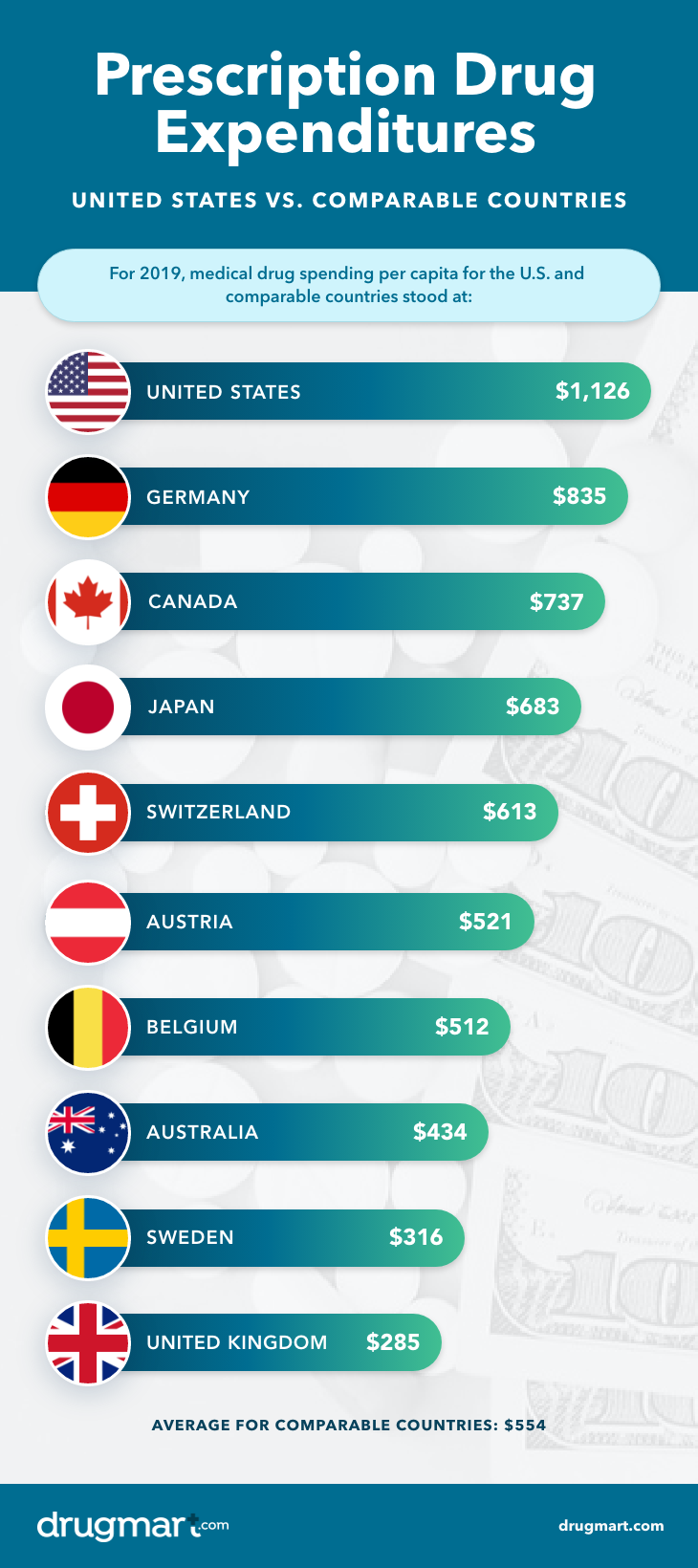
Federal drug price reforms are making significant strides in the fight against high prescription medication costs that plague many Americans today. A recent study has shown that these reforms are specifically benefiting Medicare beneficiaries, who are reporting fewer instances of cost-related medication nonadherence due to the changes enacted by the Inflation Reduction Act. This groundbreaking legislation aims to alleviate the financial burden many face while managing their health, especially those with chronic conditions requiring multiple daily medications. As we dive deeper into the implications of this act, it’s crucial to understand how federal interventions are paving the way for improved drug affordability and enhanced health outcomes for older adults. With these initiatives in place, we can hope for a future where access to necessary medications is no longer dictated by financial constraints, allowing all individuals to prioritize their health without the fear of mounting costs.
In the discussion surrounding healthcare accessibility, recent government initiatives aimed at regulating pharmaceutical pricing are essential. These transformative changes, particularly impacting individuals enrolled in Medicare, reflect a growing recognition of the need for affordable access to vital prescriptions. The legislative actions taken through mechanisms like the Inflation Reduction Act represent a proactive approach to combat the distressing trend of medication nonadherence driven by cost concerns. As healthcare reform continues to evolve, it’s clear that the goal is to establish a framework where all patients, especially those burdened by chronic health issues, can obtain their necessary prescriptions without facing insurmountable financial barriers. Ultimately, these reforms are not just about numbers; they represent a commitment to the health and well-being of millions of Americans.
The Impact of Federal Drug Price Reforms on Medication Adherence
Federal drug price reforms have been a pivotal change in the landscape of healthcare costs in the United States, particularly for Medicare beneficiaries. With the recent implementation of the provisions from the Inflation Reduction Act, there is growing evidence that these reforms are effectively lowering the financial burden on patients who rely on prescription medications. A study published in JAMA Internal Medicine revealed that as a result of these reforms, beneficiaries reported a significant decline in cost-related medication nonadherence, which includes behaviors like skipping doses or abandoning prescriptions altogether.
The early indications demonstrate that these reforms are especially beneficial for those managing multiple chronic conditions, who historically have faced the steepest hurdles in affording their medications. The removal of the 5% co-insurance requirement for catastrophic coverage has effectively capped annual out-of-pocket expenses, allowing patients to allocate their funds towards other necessary health services. This enhanced affordability has shown to foster better health outcomes, as patients are more likely to adhere to their treatment regimens when faced with lower prescription medication costs.
The Role of Medicare Beneficiaries in the Healthcare System
Medicare beneficiaries are a crucial demographic in understanding the effectiveness of drug price reforms, as they often deal with complex health issues compounded by the financial implications of drug costs. Many Medicare recipients live with multiple chronic conditions, resulting in increased reliance on prescription medications and a corresponding rise in medication spending. This makes them particularly vulnerable to the negative affects of high drug prices, which can lead to harmful decisions about their health — such as medication nonadherence.
According to research, more than one in four American adults struggle to afford their prescriptions, creating a public health concern that policymakers must address. By focusing on the needs of Medicare beneficiaries, the Inflation Reduction Act seeks to alleviate some of this burden, ensuring that those who need medications the most have access to them without the constant worry about costs. Reductions in cost-related medication nonadherence among this group signal a positive trend that could prove critical in mitigating the long-term health consequences of inadequate treatment.
Exploring Drug Affordability Through Legislation
Drug affordability has emerged as one of the most contentious issues in American healthcare policy, leading to various legislative efforts aimed at reducing costs for patients. The Inflation Reduction Act marks a significant step in addressing this crisis, specifically targeting the issues faced by Medicare beneficiaries. Amid growing concerns about skyrocketing prescription medication costs, this act has begun to reshape how patients access necessary treatments.
The act’s provisions not only intend to lower drug prices but also to ensure that vulnerable populations, like lower-income Medicare enrollees, have improved access to medication without prohibitive costs. Research indicating a decline in cost-related nonadherence among beneficiaries highlights a step towards achieving drug affordability. With ongoing assessments and amendments, legislation like the Inflation Reduction Act can play a fundamental role in transforming the healthcare landscape for the better.
Understanding Cost-Related Medication Nonadherence
Cost-related medication nonadherence is a pressing issue that can lead to significant health disparities among patients, particularly those in vulnerable populations. When individuals are forced to make difficult decisions about whether to fill prescriptions or to skip doses to save money, the potential for adverse health outcomes increases dramatically. The findings from the recent study on Medicare beneficiaries underscore the urgency of addressing this issue through effective policy reforms.
By implementing the provisions of the Inflation Reduction Act, there has been a noticeable reduction in such nonadherence behaviors, reflecting the importance of affordability in medication access. Improved adherence rates not only enhance the quality of life for patients but also contribute to overall public health, potentially reducing longer-term healthcare costs associated with untreated chronic conditions. Continuing to focus on this issue through legislative efforts can help sustain these gains and further benefit at-risk populations.
The Importance of Research in Healthcare Policy
Research plays a critical role in shaping healthcare policy by providing the data and evidence needed to inform decision-making. The recent study from the Richard A. and Susan F. Smith Center for Outcomes Research presents compelling evidence that federal drug price reforms, particularly those seen in the Inflation Reduction Act, are having a meaningful impact on medication adherence among Medicare beneficiaries. Such studies are invaluable in demonstrating the real-world implications of policy changes.
By using robust methodologies to assess the effectiveness of these reforms, researchers can reveal the extent to which these changes improve the lives of individuals and how they influence overall health outcomes. Policymakers can then leverage this information to advocate for further adjustments and enhancements within the healthcare system, ensuring that the needs of patients are consistently prioritized in future reforms.
Challenges in Reducing Overall Healthcare Costs
While federal drug price reforms are starting to show promise in reducing out-of-pocket costs for Medicare beneficiaries, they have yet to significantly impact overall healthcare expenses. Many patients continue to face high medical bills despite the legislative efforts to lower prescription costs. This disconnect highlights the complexity of the healthcare cost landscape and suggests that additional interventions may be necessary to comprehensively address financial burdens on patients.
With persistent anxiety around future healthcare costs among Medicare beneficiaries, it is clear that drug affordability is only one piece of a larger puzzle. Policymakers will need to consider the interplay between medication costs and other factors affecting healthcare expenditures to develop more holistic solutions. Continued research and advocacy will be essential to drive meaningful reforms that ensure accessible and affordable healthcare for all.
Future Directions for Drug Price Reforms
As the healthcare landscape continues to evolve, the focus on drug price reforms must remain a priority. The Inflation Reduction Act has set a precedent for addressing high medication costs, but ongoing attention is required to assess its long-term effects on healthcare access and quality. Future reforms should consider not only the financial aspects but also the broader implications for health equity within the Medicare population.
In evaluating the impact of drug pricing reforms, stakeholders should engage in conversations that include patient perspectives, which are vital for understanding their experiences and the challenges they face. Additionally, there is a need for an ongoing examination of the barriers to accessing medications, which might include factors such as transportation, awareness of available subsidies, or the complexities of navigating the healthcare system. Policymakers are urged to keep these considerations at the forefront as they pursue new strategies to further enhance drug affordability.
The Connection Between Chronic Conditions and Drug Costs
Chronic conditions require ongoing treatment and management, which often translates into higher medication costs for patients. As seen in the study, individuals with multiple chronic conditions are disproportionately affected by the financial implications of medication nonadherence. This relationship between chronic disease management and drug expenses emphasizes the urgent need for effective reforms that cater to the medical and financial needs of this population.
Recognizing that Medicare beneficiaries often deal with intricate healthcare needs allows policymakers to create targeted solutions that directly address the unique challenges faced by these individuals. By improving medication access and affordability, the potential for better patient outcomes increases, thereby paving the way for a healthier population in the long run. This approach not only benefits patients but also contributes to reducing the overall economic burden on the healthcare system.
The Role of Advocacy in Healthcare Reforms
Advocacy plays a vital role in shaping the future of healthcare reform, particularly regarding drug pricing. Patient advocacy groups and healthcare organizations have been at the forefront of pushing for necessary changes in legislation, such as the Inflation Reduction Act. Their efforts help to raise awareness of the challenges faced by patients, which in turn drives policymakers to take action.
Continued advocacy will be essential to ensure that drug price reforms remain effective and responsive to the needs of Medicare beneficiaries and other affected individuals. By mobilizing communities and fostering collaborative relationships among stakeholders, advocates can help create a more equitable healthcare system where drug affordability becomes a reality for everyone. This collective action has the power to influence not only policies but also cultural perceptions around healthcare accessibility.
Frequently Asked Questions
How is the Inflation Reduction Act impacting federal drug price reforms for Medicare beneficiaries?
The Inflation Reduction Act has significantly impacted federal drug price reforms for Medicare beneficiaries by reducing cost-related medication nonadherence. As of January 1, 2024, its provisions eliminated the 5 percent co-insurance requirement for catastrophic coverage, capping annual out-of-pocket medication costs at approximately $3,300. This change has led to fewer beneficiaries skipping or rationing medications due to cost, particularly among those with chronic conditions.
What are the benefits of federal drug price reforms for prescription medication costs?
Federal drug price reforms, particularly through the Inflation Reduction Act, benefit prescription medication costs by providing substantial savings for Medicare beneficiaries. The reforms have expanded access to full subsidies for lower-income enrollees and eliminated co-insurance fees for high medication spenders, effectively lowering out-of-pocket expenses and allowing more patients to adhere to their necessary prescriptions.
How does cost-related medication nonadherence affect Medicare beneficiaries?
Cost-related medication nonadherence significantly affects Medicare beneficiaries, pushing them to skip doses or abandon prescriptions due to affordability issues. However, recent findings indicate that the federal drug price reforms introduced by the Inflation Reduction Act are helping to reduce this nonadherence by making medications more affordable, particularly for those managing multiple chronic conditions.
What evidence supports the effectiveness of the Inflation Reduction Act in reducing drug costs?
Evidence supporting the effectiveness of the Inflation Reduction Act in reducing drug costs comes from a study published in JAMA Internal Medicine, which showed a 4.9 percentage point decrease in cost-related medication nonadherence among Medicare beneficiaries compared to privately insured adults. Beneficiaries managing multiple chronic conditions experienced even greater improvements, illustrating the positive impact of federal drug price reforms.
Can federal drug price reforms help with drug affordability for lower-income Medicare beneficiaries?
Yes, federal drug price reforms significantly improve drug affordability for lower-income Medicare beneficiaries by expanding access to complete subsidies. This initiative under the Inflation Reduction Act allows these beneficiaries to save on medication costs, thereby decreasing the financial barriers that previously contributed to cost-related medication nonadherence.
What are the long-term implications of federal drug price reforms for Medicare beneficiaries’ overall health care costs?
While federal drug price reforms are currently aiding Medicare beneficiaries in staying adherent to their medications, studies show that there has yet to be a notable reduction in their overall health care costs. Despite savings on medications, beneficiaries are still experiencing challenges in managing their overall medical expenses and anxiety about future costs.
How does medication nonadherence among privately insured adults compare to Medicare beneficiaries following drug price reforms?
Following the implementation of federal drug price reforms, medication nonadherence among Medicare beneficiaries decreased by 4.9 percentage points, while the rate for privately insured adults actually increased by over 2 percentage points. This highlights the effectiveness of the reforms for Medicare beneficiaries in improving adherence to necessary medications amidst rising costs.
What are some actions taken to encourage Medicare beneficiaries to adhere to their prescription medications amid drug price reforms?
To encourage adherence among Medicare beneficiaries, federal drug price reforms have focused on reducing out-of-pocket medication costs, particularly through the Inflation Reduction Act. This includes eliminating co-insurance requirements and expanding subsidies, which directly address affordability issues and empower beneficiaries to follow their prescribed treatment regimens.
| Key Point | Details |
|---|---|
| Federal Drug Price Reforms | The Inflation Reduction Act aims to reduce prescription drug costs for Medicare beneficiaries. |
| Impact on Medicare Beneficiaries | The study finds a reduction in medication nonadherence due to cost among Medicare beneficiaries. |
| Study Findings | Medicare beneficiaries saw a 4.9 percentage point reduction in cost-related medication nonadherence after the act’s implementation. |
| Targeted Groups | Reforms focus on beneficiaries with high medication costs and low-income enrollees. |
| Cost Savings | As of mid-2024, 1.5 million Medicare beneficiaries saved nearly $1 billion from reforms. |
| Continued Challenges | Overall health care costs for Medicare beneficiaries have not yet improved despite drug price reforms. |
Summary
Federal drug price reforms are showing promising results, as evidenced by the recent study that highlights significant improvements in medication adherence among Medicare beneficiaries. While the reforms under the Inflation Reduction Act have begun to alleviate the burden of drug costs, it is clear that continued efforts are necessary to address broader healthcare expenses and ensure comprehensive support for those affected by high medication prices.