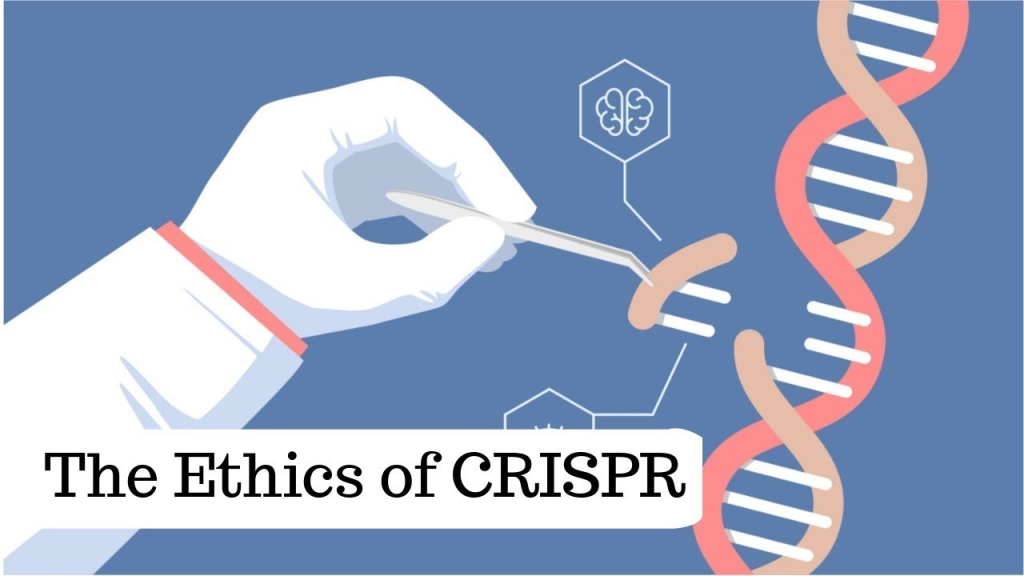
CRISPR gene editing ethics are at the forefront of modern scientific discourse, raising significant questions about the implications of gene editing technology on society.As this groundbreaking method promises potential cures for genetic disorders like sickle cell anemia, the ethical implications of CRISPR cannot be overlooked.
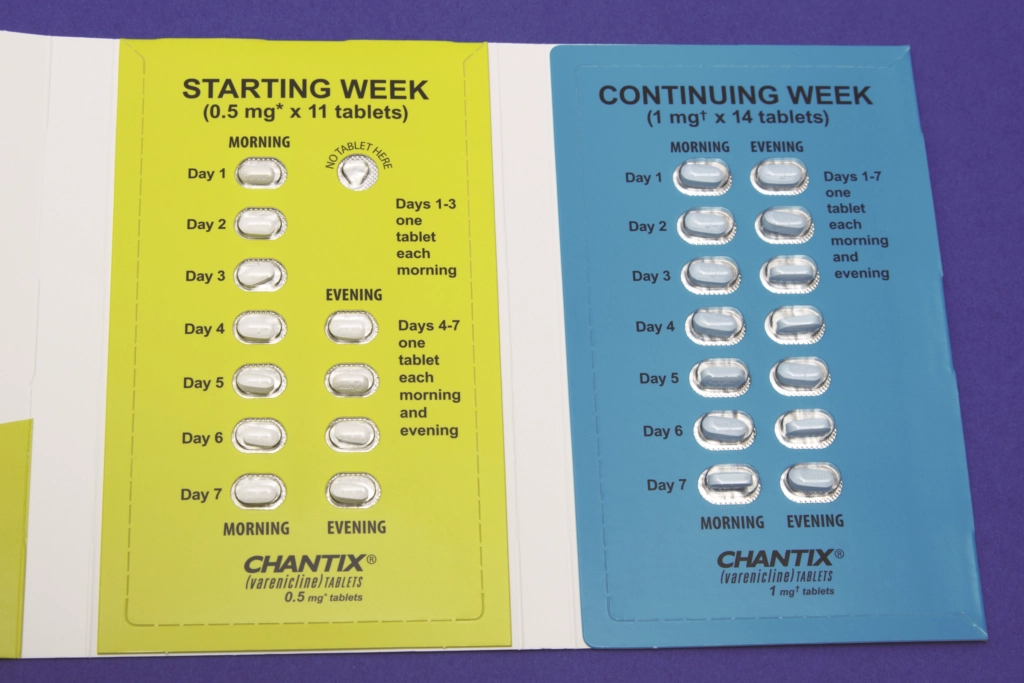
Smoking Cessation Pill Helps Teens Quit Vaping Effectively
The FDA-approved smoking cessation pill, varenicline, has emerged as a pivotal tool in addressing the escalating vaping epidemic among teens and young adults.A recent study published in JAMA highlights its effectiveness, showing that participants aged 16 to 25 who used varenicline were three times more successful at quitting vaping compared to those receiving only behavioral counseling.
Bile Imbalance and Liver Cancer: Key Insights Uncovered
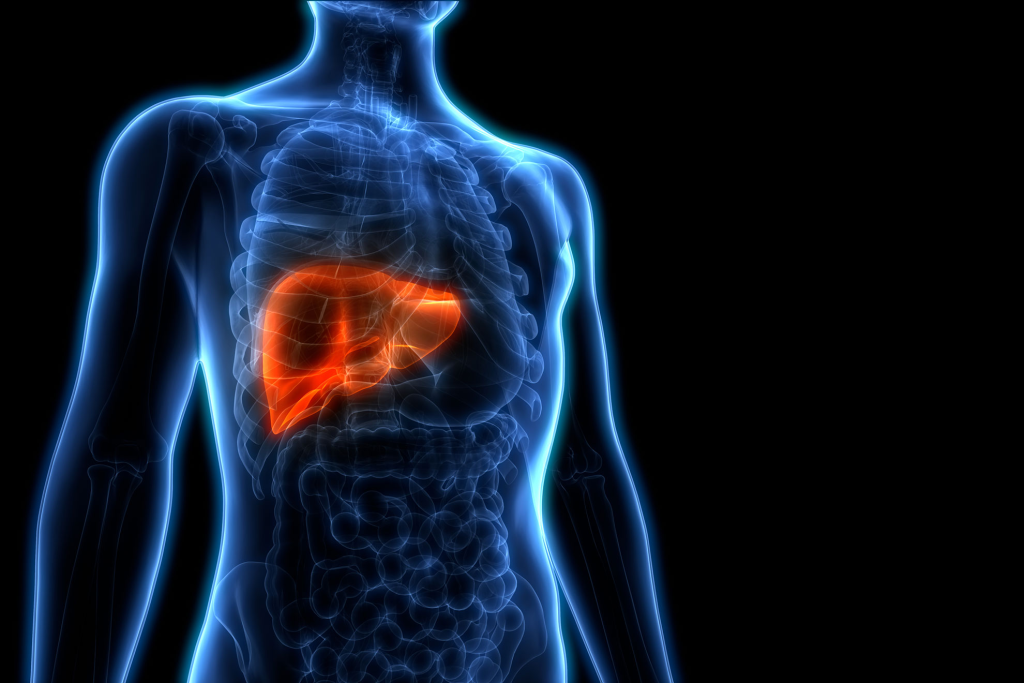
Bile imbalance and liver cancer have become critical areas of research, particularly as studies highlight their intricate relationship.Recent findings indicate that an imbalance in bile acids, essential for fat digestion, can significantly escalate the risk of developing hepatocellular carcinoma (HCC), the most common form of liver cancer.
Gene Editing Breakthroughs Revolutionize Disease Treatment
Gene editing breakthroughs have opened new frontiers in the field of medicine, revolutionizing our approach to genetic diseases and therapies.With advancements such as CRISPR technology reshaping our understanding of DNA manipulation, techniques like base editing and prime editing have emerged as powerful tools in this genetic revolution.
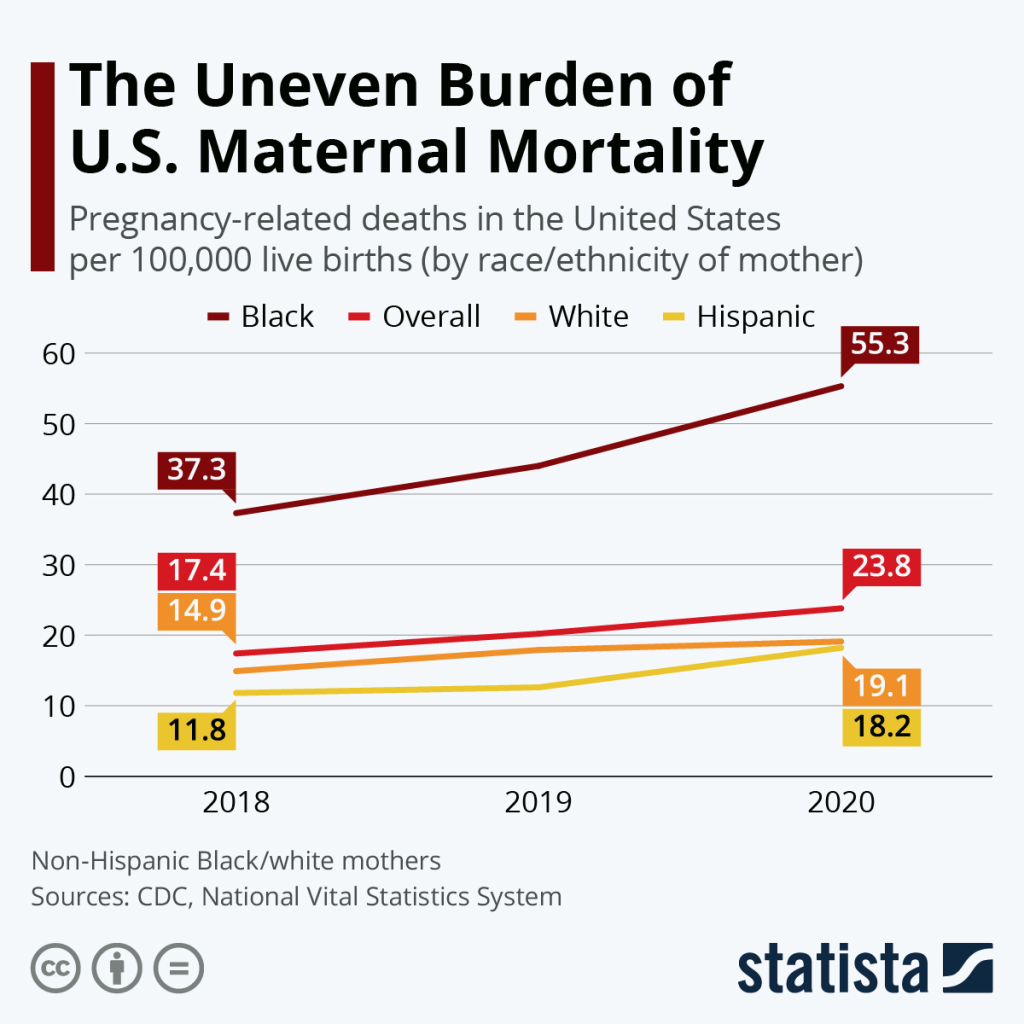
Maternal Mortality in the U.S.: A Growing Concern
Maternal mortality in the U.S.has become an alarming public health crisis, with recent studies indicating a rise in pregnancy-related deaths that continues to outpace other high-income countries.

Boston Marathon Mental Health: Understanding Runners’ Stories
The Boston Marathon is not just a test of physical endurance; it also serves as a significant event in discussions about mental health.As more and more runners take on the challenge of this iconic 26.2-mile race, the emphasis on Boston Marathon mental health is becoming increasingly crucial.
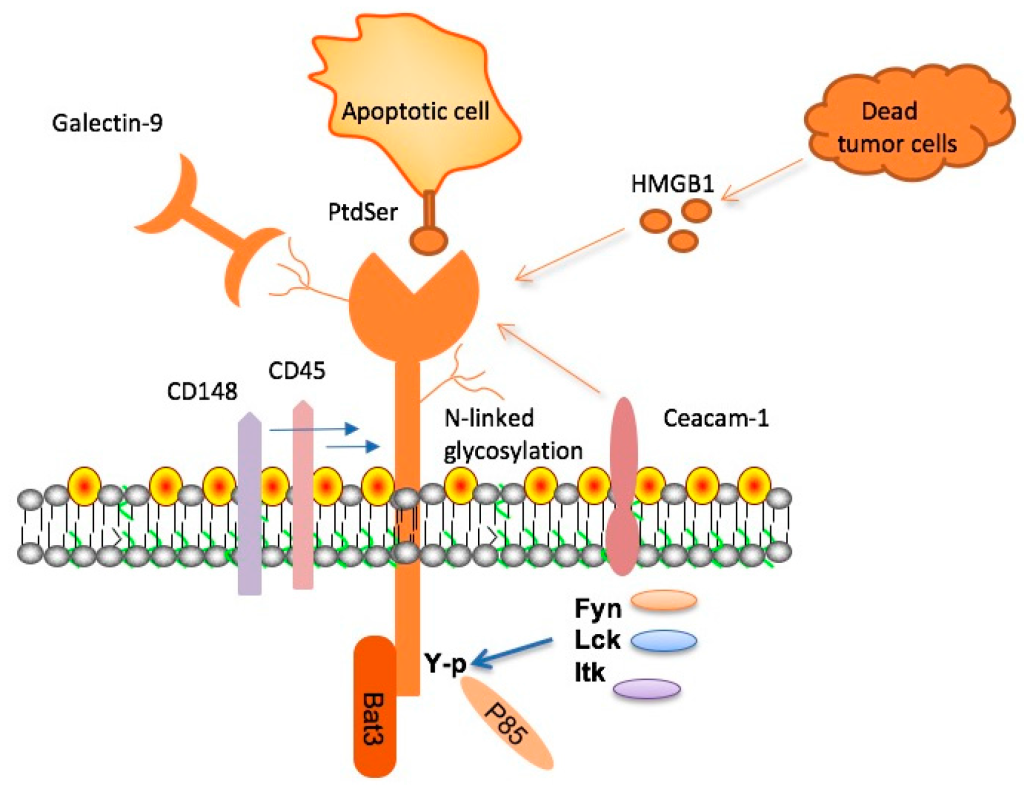
TIM-3 Therapy for Alzheimer’s: A Revolutionary Discovery
TIM-3 therapy for Alzheimer’s is an innovative approach that leverages the immune system’s mechanisms to combat Alzheimer’s disease, a condition that afflicts millions worldwide.Recent research highlights the potential of TIM-3, a checkpoint molecule, to enable microglia – the brain’s immune cells – to effectively clear toxic amyloid plaques linked to cognitive decline.
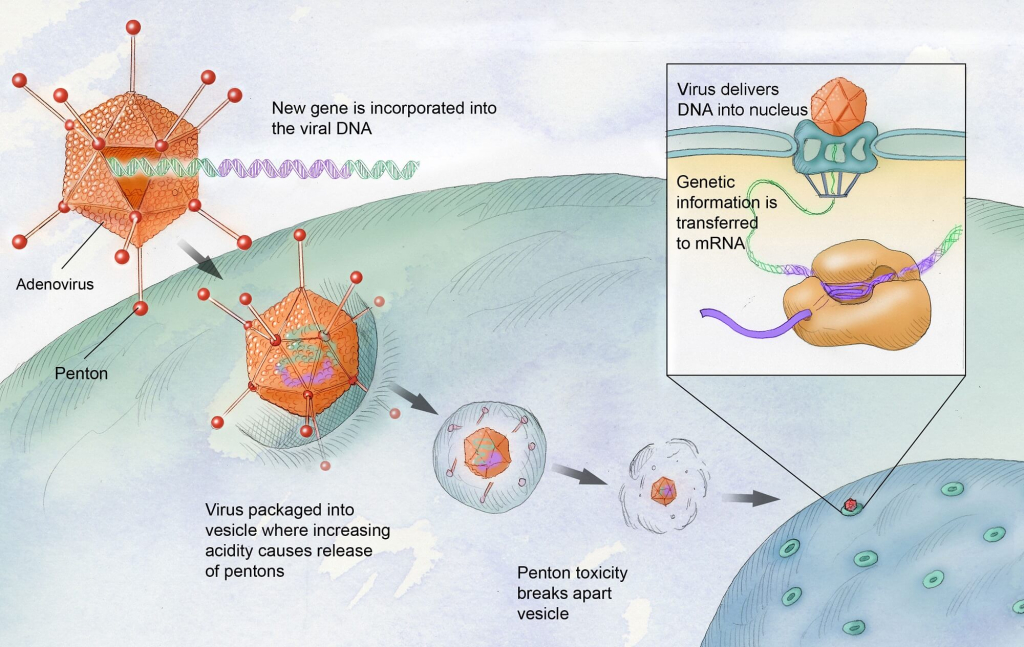
Gene Therapy for Hemophilia: A New Era of Healing
Gene therapy for hemophilia is revolutionizing the way we approach the treatment of this challenging condition.Traditionally reliant on regular injections of clotting factor IX, patients like Terence Blue are now experiencing promising new interventions, such as the breakthrough therapy Hemgenix.

Shared Meals and Happiness: The Key to Well-Being
Shared meals and happiness go hand in hand, creating a delightful tapestry of social connections that enrich our lives.Recent happiness research highlights that dining with others significantly boosts well-being indicators, providing not just physical nourishment but also mental health benefits.
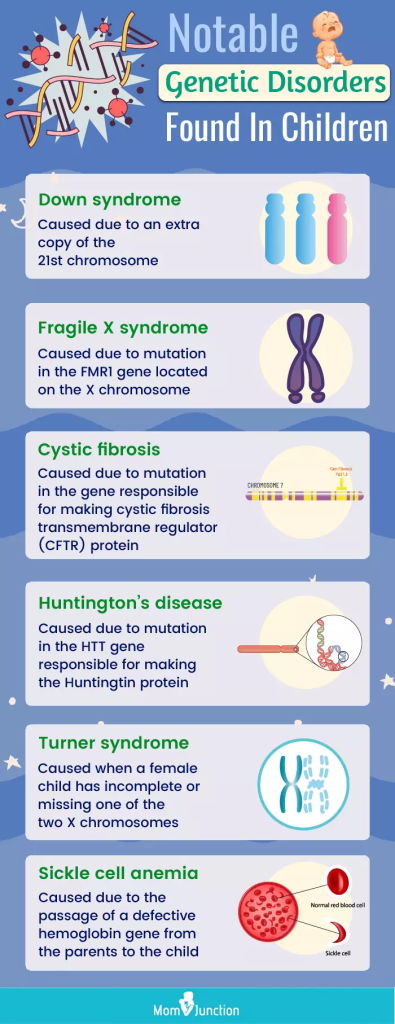
Genetic Disorders Treatable Before Birth: New Research Insights
Genetic disorders treatable before birth represent a groundbreaking advancement in prenatal care, offering hope and potential solutions for families facing the daunting realities of genetic conditions.Recent studies indicate that nearly 300 genetic disorders can now be identified and treated during pregnancy or shortly after birth, opening doors to innovative early intervention strategies.