
Impact of Album Releases on Driving Safety: A Dangerous Link
The impact of album releases on driving safety is a pressing concern that has garnered intense scrutiny in recent studies. As fans eagerly anticipate new music, they often succumb to the allure of streaming their favorite artists, inadvertently engaging in distracted driving. Research has shown alarmingly that major album drops correspond to a staggering 15 percent increase in traffic fatalities on release days. This surge highlights the dangers of smartphone distraction, as drivers may be more focused on their playlists than the road ahead. Understanding the connection between music streaming accidents and driving behavior is crucial for enhancing road safety during these high-risk periods.
Concerts, music launches, and album drops frequently generate excitement that can inadvertently affect road safety. The phenomenon of distractions linked with audio entertainment, especially among younger drivers, can lead to severe repercussions on the highways. As music fans engage with their digital devices to keep up with the latest hits, they may overlook vital traffic signals or hazards. In this context, understanding the dynamics of road safety and music consumption is becoming increasingly critical, as these distractions intertwine with the pressing issues of traffic fatalities and smartphone-related incidents. Exploring this relationship further could help in developing strategies to mitigate risks associated with musical engagement while driving.
The Dangers of Distracted Driving
Distracted driving is a significant concern on our roads today, as it plays a crucial role in traffic accidents and fatalities. With the rise of smartphones, many drivers find themselves drawn to their devices, whether it’s checking messages or listening to music. Even brief moments of distraction can lead to catastrophic results, as drivers may miss vital cues from the road. The increased use of music streaming apps during everyday commutes illustrates how easily attention can be diverted, creating a dangerous scenario not just for those involved but for all motorists.
In recent years, the data has become increasingly alarming, highlighting the need for consistent awareness of this issue. Stats show that distracted driving contributes to a significant proportion of traffic fatalities, reflecting the ease with which a simple task can escalate into a life-threatening situation. Awareness campaigns and educational initiatives are vital in combating this growing trend, emphasizing the need to remain focused while driving.
Impact of Album Releases on Driving Safety
Research indicates that album release days can pose unique challenges for driving safety, potentially increasing the likelihood of accidents. A recent study found a striking correlation between significant album drops and traffic fatalities, suggesting that driver distraction from heightened music streaming contributes to the uptick in road incidents. As fans rush to download new music and engage with their favorite artists on social media, the innate desire to multitask exacerbates the risks associated with already dangerous driving conditions.
The findings suggest a critical area of concern for both public safety and music promotion industries. Increased traffic fatalities on major album release days indicate that car manufacturers, streaming services, and even artists might need to collaborate to promote safer driving practices. Encouraging drivers to prioritize road safety while still enjoying their favorite music could be an essential strategy in reducing accidents linked to smartphone distractions as the music industry continues to thrive.
Smartphone Distraction and Its Effects
Smartphones have changed the way we consume music, but this convenience comes at a cost. The ease of accessing songs, playlists, and new album releases fosters an environment where drivers may feel compelled to interact with their devices while navigating. As studies show, the temptation to engage with smartphones greatly increases the potential for distractions, leading to severe consequences on the road. Each moment spent looking away from driving can drastically reduce situational awareness, heightening the chances of a traffic accident.
Moreover, as the integration of technology in vehicles becomes more prevalent, the risks associated with smartphone use are likely to escalate. New features in vehicles provide ways for drivers to engage with their smartphones without directly interacting with the device, blurring the lines between hands-free technology and actual distraction. This situation necessitates a reevaluation of how users interact with all types of technology while driving, promoting better habits and education around the risks involved.
Music Streaming Accidents: A Growing Concern
The rise of music streaming services has made it extraordinarily simple for individuals to access their favorite tracks on demand. However, this convenience often leads to an increase in accidents due to distractions caused by actively changing songs or browsing playlists while driving. As captivating as it is to listen to newly released music, the act of navigating through these platforms while behind the wheel can divert attention and impair driving abilities.
Additionally, researchers have begun to explore the specific reasons that music-related distractions lead to an uptick in traffic accidents. Understanding these motivations and patterns may help in developing preventive measures to reduce risks associated with streaming while driving. Encouraging drivers to utilize features that limit the need to interact with a device while on the road can greatly contribute to maintaining focus and improving overall road safety.
Understanding Traffic Fatalities Linked to Music Consumption
Investigating the relationship between music consumption and traffic fatalities sheds light on a critical aspect of road safety. Researchers have indicated that on days when major albums release, an unsettling rise in fatalities can be observed, linked primarily to the influx of distracted drivers engaging with music while driving. This phenomenon underscores the pressing need to address the intersection of entertainment and public safety, especially as our consumption habits evolve.
As society continues to embrace streaming services, there must be a collective effort to acknowledge the risks posed by music engagement while driving. Initiatives aimed at raising awareness surrounding these concerns can potentially mitigate the impact on traffic safety. Emphasizing responsible listening habits could be instrumental in fostering safer driving environments, ultimately aimed at reducing the number of tragic accidents attributed to smartphone distractions.
Trends in Driver Behavior During Album Releases
Examining trends in driver behavior during album releases reveals fascinating insights into how music culture intertwines with road safety. During these high-excitement periods, drivers may exhibit riskier behaviors, including increased phone interaction or speeding to reach their destinations in time for new releases. Research reflects a notable spike in distraction-related accidents, suggesting that the excitement surrounding music releases could challenge even the most cautious drivers.
The focus on music as a cultural phenomenon showcases how it can impact broader social behaviors, including driving. As data suggests a higher propensity for accidents during these times, responsible media consumption becomes a crucial conversational point for fostering a culture of mindfulness on the roads. Encouraging a balance between enjoying new music and practicing safe driving techniques can help minimize risks associated with distracted driving.
The Role of Younger Drivers in Music-Related Accidents
Younger drivers are often at the forefront of music consumption trends, making them particularly relevant in discussions about distracted driving. With their prevalent use of smartphones and streaming services, this demographic shows a noticeable correlation between high levels of music engagement and increased risk on the roads. Research has highlighted that younger drivers, drawn to new album releases and instant access to music, may actually unintentionally put themselves in precarious situations while driving.
Recognizing the significance of younger drivers in contributing to music-related accidents is crucial for targeted education and prevention strategies. By introducing initiatives that specifically address this age group and their unique driving habits, there is potential to significantly improve road safety. Through community outreach and programs fostering safer driving behaviors, we can work toward reducing the alarming statistics associated with music streaming and distracted driving.
The Intersection of Technology and Road Safety
As technology continues to evolve, so too do the dynamics of distracted driving. Innovations such as voice-activated control and in-car integration systems have the potential to enhance convenience while driving; however, they also pose a risk if not used responsibly. While these advancements aim to reduce the need for visual attention to smartphones, they can inadvertently result in cognitive distractions that compromise driver concentration.
The ongoing dialogue about road safety in relation to technological advancements underscores the importance of user education. Emphasizing informed choices regarding the use of technology while driving can empower users to adopt safer habits. Furthermore, collaborations between technology developers and safety organizations can play pivotal roles in creating solutions that prioritize driver attention and promote a culture of safety.
Promoting Safer Driving Habits Amid Distractions
Advocating for safer driving habits is essential, especially in an age where distractions are more prevalent than ever. By raising awareness of the risks associated with smartphone use and music streaming while driving, individuals can be motivated to adopt more responsible behaviors. Practical measures, such as using playlists ahead of time or designating a ‘music manager’ can alleviate the temptation to multitask behind the wheel.
Additionally, educational campaigns can disseminate critical information about the realities of distracted driving. Tailoring these initiatives to resonate with music fans and younger audiences could effectively address the inherent risks of smartphone use while driving. Promoting these messages can make a substantial difference in reducing accidents, ultimately leading to a culture of safety when it comes to driving and music consumption.
Frequently Asked Questions
How do album releases impact driving safety and contribute to distracted driving?
Album releases lead to a significant increase in music streaming, which in turn causes distracted driving. Research shows that on major album release days, streaming activity surges by 43%, encouraging drivers to use their smartphones, resulting in a 15% rise in traffic fatalities. This distraction can lead to serious accidents as drivers divert their attention from the road.
What is the link between music streaming accidents and traffic fatalities during album release days?
Studies indicate that album release days correlate with increased music streaming accidents. Data reveals that traffic fatalities increase by 15.1% on these days, with an average of 139.1 deaths, suggesting that the rush to listen to new music distracts drivers and raises the risk of fatal accidents.
Are smartphone distractions on album release days a major factor in road safety issues?
Yes, smartphone distractions due to music streaming on album release days play a crucial role in road safety issues. The excitement of new music can lead to lapses in focus, causing an increase in dangerous driving behavior, as users text or scroll through apps instead of paying attention to the road.
What precautions can drivers take to avoid accidents on album release days?
To enhance driving safety during album releases, drivers should secure their smartphones out of reach while driving. Utilizing hands-free devices or pre-downloading music can also minimize distractions. It’s important to refrain from engaging with streaming services until parked safely.
What demographic is most affected by distracted driving related to music streaming during album releases?
Younger drivers are particularly affected by distracted driving linked to music streaming during album releases. Research shows that this demographic is more enthusiastic about new music, making them more likely to engage with their smartphones while driving, thus increasing accident risks.
How do external factors influence the increase in traffic fatalities on music release days?
On days when major albums are released, not only does streaming activity spike, but other factors like increased excitement and potentially louder music volume contribute to drivers missing crucial cues on the road, exacerbating the risk of accidents.
What technological advancements could help reduce smartphone-related distractions while driving?
Advancements in vehicle technology, including integrated infotainment systems, voice commands, and AI assistants, can help reduce smartphone-related distractions. By allowing drivers to control music and other tasks hands-free, these technologies can enhance road safety by keeping attention focused on driving.
How significant is the problem of multi-tasking while driving in relation to new album releases?
The problem of multitasking while driving is significant, especially during new album releases. Many drivers underestimate the danger of managing their devices, such as navigating streaming apps, leading to potentially life-threatening distractions. Acknowledging this risk is crucial for road safety.
What role does excitement play in distracted driving on album release days?
Excitement over newly released albums can lead to heightened distraction levels among drivers. The urge to immediately stream new music may cause lapses in attention, which are particularly dangerous while driving, increasing the likelihood of traffic collisions.
| Key Points | Details |
|---|---|
| Research Findings | The study found a 15% increase in traffic fatalities and a 43% rise in streaming on album release days. |
| Research Inspiration | Researcher Vishal Patel was inspired by a personal experience of distraction while driving. |
| Accident Statistics | On release days, there were an average of 139 traffic fatalities, 18.2 more than on non-release days. |
| Main Causes of Distraction | Distractions may arise from manipulating the device, increased excitement, or playing music louder. |
| Profile of Affected Drivers | Many incidents involved younger, sober drivers in single-occupant vehicles. |
Summary
The impact of album releases on driving safety has significant implications highlighted by recent research. The study reveals that major album release days correlate with a marked increase in both music streaming and traffic fatalities. This unsettling trend suggests that the excitement surrounding new music exacerbates distractions for drivers, leading to a heightened risk of accidents. As smartphones become an even more integral part of our driving experience, understanding the nexus between music releases and driving safety is essential for addressing these hazards effectively. By promoting safer driving habits and awareness among music fans, we can potentially mitigate the dangerous consequences of this phenomenon.
Federal Drug Price Reforms: A Small Step Towards Health Equity
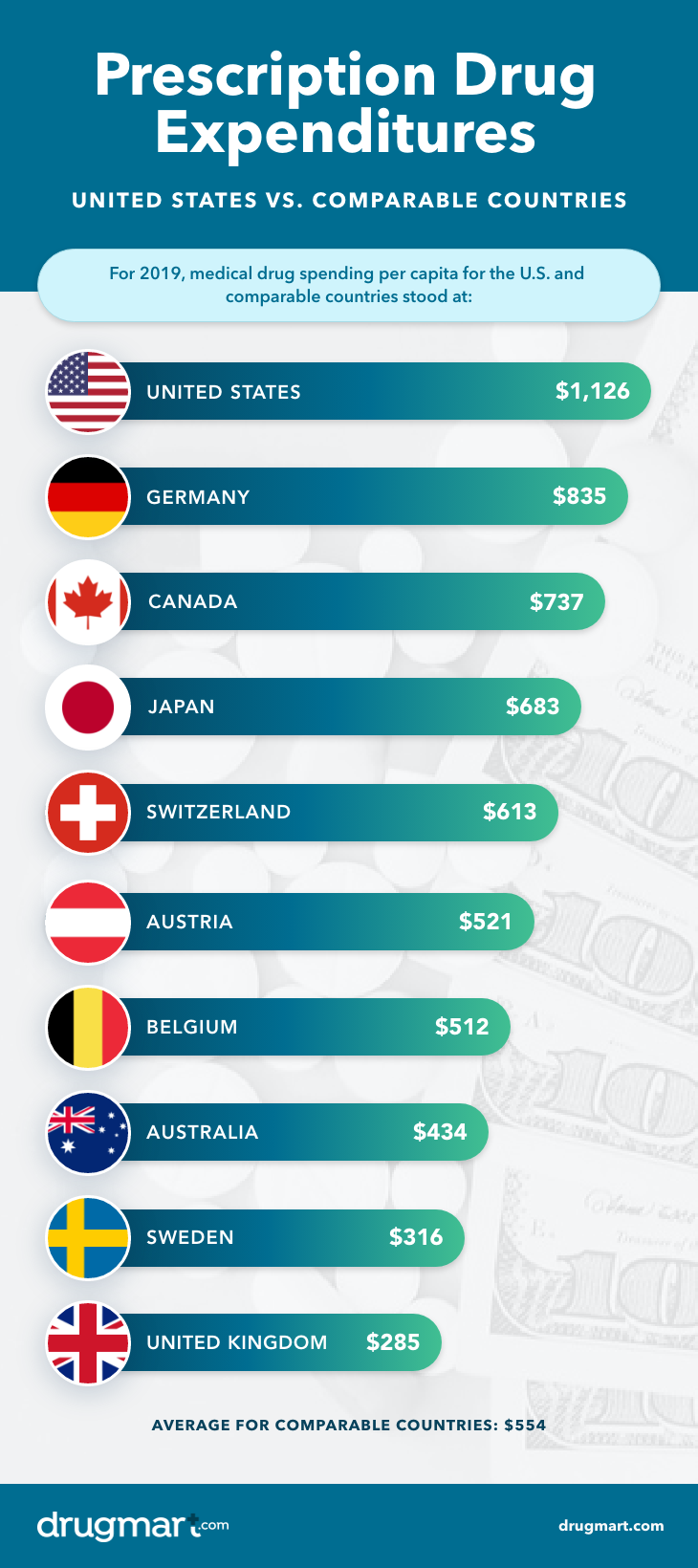
Federal drug price reforms are making significant strides in the fight against high prescription medication costs that plague many Americans today. A recent study has shown that these reforms are specifically benefiting Medicare beneficiaries, who are reporting fewer instances of cost-related medication nonadherence due to the changes enacted by the Inflation Reduction Act. This groundbreaking legislation aims to alleviate the financial burden many face while managing their health, especially those with chronic conditions requiring multiple daily medications. As we dive deeper into the implications of this act, it’s crucial to understand how federal interventions are paving the way for improved drug affordability and enhanced health outcomes for older adults. With these initiatives in place, we can hope for a future where access to necessary medications is no longer dictated by financial constraints, allowing all individuals to prioritize their health without the fear of mounting costs.
In the discussion surrounding healthcare accessibility, recent government initiatives aimed at regulating pharmaceutical pricing are essential. These transformative changes, particularly impacting individuals enrolled in Medicare, reflect a growing recognition of the need for affordable access to vital prescriptions. The legislative actions taken through mechanisms like the Inflation Reduction Act represent a proactive approach to combat the distressing trend of medication nonadherence driven by cost concerns. As healthcare reform continues to evolve, it’s clear that the goal is to establish a framework where all patients, especially those burdened by chronic health issues, can obtain their necessary prescriptions without facing insurmountable financial barriers. Ultimately, these reforms are not just about numbers; they represent a commitment to the health and well-being of millions of Americans.
The Impact of Federal Drug Price Reforms on Medication Adherence
Federal drug price reforms have been a pivotal change in the landscape of healthcare costs in the United States, particularly for Medicare beneficiaries. With the recent implementation of the provisions from the Inflation Reduction Act, there is growing evidence that these reforms are effectively lowering the financial burden on patients who rely on prescription medications. A study published in JAMA Internal Medicine revealed that as a result of these reforms, beneficiaries reported a significant decline in cost-related medication nonadherence, which includes behaviors like skipping doses or abandoning prescriptions altogether.
The early indications demonstrate that these reforms are especially beneficial for those managing multiple chronic conditions, who historically have faced the steepest hurdles in affording their medications. The removal of the 5% co-insurance requirement for catastrophic coverage has effectively capped annual out-of-pocket expenses, allowing patients to allocate their funds towards other necessary health services. This enhanced affordability has shown to foster better health outcomes, as patients are more likely to adhere to their treatment regimens when faced with lower prescription medication costs.
The Role of Medicare Beneficiaries in the Healthcare System
Medicare beneficiaries are a crucial demographic in understanding the effectiveness of drug price reforms, as they often deal with complex health issues compounded by the financial implications of drug costs. Many Medicare recipients live with multiple chronic conditions, resulting in increased reliance on prescription medications and a corresponding rise in medication spending. This makes them particularly vulnerable to the negative affects of high drug prices, which can lead to harmful decisions about their health — such as medication nonadherence.
According to research, more than one in four American adults struggle to afford their prescriptions, creating a public health concern that policymakers must address. By focusing on the needs of Medicare beneficiaries, the Inflation Reduction Act seeks to alleviate some of this burden, ensuring that those who need medications the most have access to them without the constant worry about costs. Reductions in cost-related medication nonadherence among this group signal a positive trend that could prove critical in mitigating the long-term health consequences of inadequate treatment.
Exploring Drug Affordability Through Legislation
Drug affordability has emerged as one of the most contentious issues in American healthcare policy, leading to various legislative efforts aimed at reducing costs for patients. The Inflation Reduction Act marks a significant step in addressing this crisis, specifically targeting the issues faced by Medicare beneficiaries. Amid growing concerns about skyrocketing prescription medication costs, this act has begun to reshape how patients access necessary treatments.
The act’s provisions not only intend to lower drug prices but also to ensure that vulnerable populations, like lower-income Medicare enrollees, have improved access to medication without prohibitive costs. Research indicating a decline in cost-related nonadherence among beneficiaries highlights a step towards achieving drug affordability. With ongoing assessments and amendments, legislation like the Inflation Reduction Act can play a fundamental role in transforming the healthcare landscape for the better.
Understanding Cost-Related Medication Nonadherence
Cost-related medication nonadherence is a pressing issue that can lead to significant health disparities among patients, particularly those in vulnerable populations. When individuals are forced to make difficult decisions about whether to fill prescriptions or to skip doses to save money, the potential for adverse health outcomes increases dramatically. The findings from the recent study on Medicare beneficiaries underscore the urgency of addressing this issue through effective policy reforms.
By implementing the provisions of the Inflation Reduction Act, there has been a noticeable reduction in such nonadherence behaviors, reflecting the importance of affordability in medication access. Improved adherence rates not only enhance the quality of life for patients but also contribute to overall public health, potentially reducing longer-term healthcare costs associated with untreated chronic conditions. Continuing to focus on this issue through legislative efforts can help sustain these gains and further benefit at-risk populations.
The Importance of Research in Healthcare Policy
Research plays a critical role in shaping healthcare policy by providing the data and evidence needed to inform decision-making. The recent study from the Richard A. and Susan F. Smith Center for Outcomes Research presents compelling evidence that federal drug price reforms, particularly those seen in the Inflation Reduction Act, are having a meaningful impact on medication adherence among Medicare beneficiaries. Such studies are invaluable in demonstrating the real-world implications of policy changes.
By using robust methodologies to assess the effectiveness of these reforms, researchers can reveal the extent to which these changes improve the lives of individuals and how they influence overall health outcomes. Policymakers can then leverage this information to advocate for further adjustments and enhancements within the healthcare system, ensuring that the needs of patients are consistently prioritized in future reforms.
Challenges in Reducing Overall Healthcare Costs
While federal drug price reforms are starting to show promise in reducing out-of-pocket costs for Medicare beneficiaries, they have yet to significantly impact overall healthcare expenses. Many patients continue to face high medical bills despite the legislative efforts to lower prescription costs. This disconnect highlights the complexity of the healthcare cost landscape and suggests that additional interventions may be necessary to comprehensively address financial burdens on patients.
With persistent anxiety around future healthcare costs among Medicare beneficiaries, it is clear that drug affordability is only one piece of a larger puzzle. Policymakers will need to consider the interplay between medication costs and other factors affecting healthcare expenditures to develop more holistic solutions. Continued research and advocacy will be essential to drive meaningful reforms that ensure accessible and affordable healthcare for all.
Future Directions for Drug Price Reforms
As the healthcare landscape continues to evolve, the focus on drug price reforms must remain a priority. The Inflation Reduction Act has set a precedent for addressing high medication costs, but ongoing attention is required to assess its long-term effects on healthcare access and quality. Future reforms should consider not only the financial aspects but also the broader implications for health equity within the Medicare population.
In evaluating the impact of drug pricing reforms, stakeholders should engage in conversations that include patient perspectives, which are vital for understanding their experiences and the challenges they face. Additionally, there is a need for an ongoing examination of the barriers to accessing medications, which might include factors such as transportation, awareness of available subsidies, or the complexities of navigating the healthcare system. Policymakers are urged to keep these considerations at the forefront as they pursue new strategies to further enhance drug affordability.
The Connection Between Chronic Conditions and Drug Costs
Chronic conditions require ongoing treatment and management, which often translates into higher medication costs for patients. As seen in the study, individuals with multiple chronic conditions are disproportionately affected by the financial implications of medication nonadherence. This relationship between chronic disease management and drug expenses emphasizes the urgent need for effective reforms that cater to the medical and financial needs of this population.
Recognizing that Medicare beneficiaries often deal with intricate healthcare needs allows policymakers to create targeted solutions that directly address the unique challenges faced by these individuals. By improving medication access and affordability, the potential for better patient outcomes increases, thereby paving the way for a healthier population in the long run. This approach not only benefits patients but also contributes to reducing the overall economic burden on the healthcare system.
The Role of Advocacy in Healthcare Reforms
Advocacy plays a vital role in shaping the future of healthcare reform, particularly regarding drug pricing. Patient advocacy groups and healthcare organizations have been at the forefront of pushing for necessary changes in legislation, such as the Inflation Reduction Act. Their efforts help to raise awareness of the challenges faced by patients, which in turn drives policymakers to take action.
Continued advocacy will be essential to ensure that drug price reforms remain effective and responsive to the needs of Medicare beneficiaries and other affected individuals. By mobilizing communities and fostering collaborative relationships among stakeholders, advocates can help create a more equitable healthcare system where drug affordability becomes a reality for everyone. This collective action has the power to influence not only policies but also cultural perceptions around healthcare accessibility.
Frequently Asked Questions
How is the Inflation Reduction Act impacting federal drug price reforms for Medicare beneficiaries?
The Inflation Reduction Act has significantly impacted federal drug price reforms for Medicare beneficiaries by reducing cost-related medication nonadherence. As of January 1, 2024, its provisions eliminated the 5 percent co-insurance requirement for catastrophic coverage, capping annual out-of-pocket medication costs at approximately $3,300. This change has led to fewer beneficiaries skipping or rationing medications due to cost, particularly among those with chronic conditions.
What are the benefits of federal drug price reforms for prescription medication costs?
Federal drug price reforms, particularly through the Inflation Reduction Act, benefit prescription medication costs by providing substantial savings for Medicare beneficiaries. The reforms have expanded access to full subsidies for lower-income enrollees and eliminated co-insurance fees for high medication spenders, effectively lowering out-of-pocket expenses and allowing more patients to adhere to their necessary prescriptions.
How does cost-related medication nonadherence affect Medicare beneficiaries?
Cost-related medication nonadherence significantly affects Medicare beneficiaries, pushing them to skip doses or abandon prescriptions due to affordability issues. However, recent findings indicate that the federal drug price reforms introduced by the Inflation Reduction Act are helping to reduce this nonadherence by making medications more affordable, particularly for those managing multiple chronic conditions.
What evidence supports the effectiveness of the Inflation Reduction Act in reducing drug costs?
Evidence supporting the effectiveness of the Inflation Reduction Act in reducing drug costs comes from a study published in JAMA Internal Medicine, which showed a 4.9 percentage point decrease in cost-related medication nonadherence among Medicare beneficiaries compared to privately insured adults. Beneficiaries managing multiple chronic conditions experienced even greater improvements, illustrating the positive impact of federal drug price reforms.
Can federal drug price reforms help with drug affordability for lower-income Medicare beneficiaries?
Yes, federal drug price reforms significantly improve drug affordability for lower-income Medicare beneficiaries by expanding access to complete subsidies. This initiative under the Inflation Reduction Act allows these beneficiaries to save on medication costs, thereby decreasing the financial barriers that previously contributed to cost-related medication nonadherence.
What are the long-term implications of federal drug price reforms for Medicare beneficiaries’ overall health care costs?
While federal drug price reforms are currently aiding Medicare beneficiaries in staying adherent to their medications, studies show that there has yet to be a notable reduction in their overall health care costs. Despite savings on medications, beneficiaries are still experiencing challenges in managing their overall medical expenses and anxiety about future costs.
How does medication nonadherence among privately insured adults compare to Medicare beneficiaries following drug price reforms?
Following the implementation of federal drug price reforms, medication nonadherence among Medicare beneficiaries decreased by 4.9 percentage points, while the rate for privately insured adults actually increased by over 2 percentage points. This highlights the effectiveness of the reforms for Medicare beneficiaries in improving adherence to necessary medications amidst rising costs.
What are some actions taken to encourage Medicare beneficiaries to adhere to their prescription medications amid drug price reforms?
To encourage adherence among Medicare beneficiaries, federal drug price reforms have focused on reducing out-of-pocket medication costs, particularly through the Inflation Reduction Act. This includes eliminating co-insurance requirements and expanding subsidies, which directly address affordability issues and empower beneficiaries to follow their prescribed treatment regimens.
| Key Point | Details |
|---|---|
| Federal Drug Price Reforms | The Inflation Reduction Act aims to reduce prescription drug costs for Medicare beneficiaries. |
| Impact on Medicare Beneficiaries | The study finds a reduction in medication nonadherence due to cost among Medicare beneficiaries. |
| Study Findings | Medicare beneficiaries saw a 4.9 percentage point reduction in cost-related medication nonadherence after the act’s implementation. |
| Targeted Groups | Reforms focus on beneficiaries with high medication costs and low-income enrollees. |
| Cost Savings | As of mid-2024, 1.5 million Medicare beneficiaries saved nearly $1 billion from reforms. |
| Continued Challenges | Overall health care costs for Medicare beneficiaries have not yet improved despite drug price reforms. |
Summary
Federal drug price reforms are showing promising results, as evidenced by the recent study that highlights significant improvements in medication adherence among Medicare beneficiaries. While the reforms under the Inflation Reduction Act have begun to alleviate the burden of drug costs, it is clear that continued efforts are necessary to address broader healthcare expenses and ensure comprehensive support for those affected by high medication prices.

Black Bioethics: Unveiling Healthcare Inequities and Historical Context
Black bioethics has emerged as a critical field, responding to the profound health disparities affecting Black communities. Historical injustices, such as the Tuskegee Syphilis Study, spotlight the ethical failures within healthcare systems, revealing deep-rooted implicit biases that persist today. These biases contribute to healthcare inequities, leading to significantly higher Black mortality rates and a stark gap in life expectancy compared to their white counterparts. The need for a focused approach to bioethics that centers on the experiences and lives of Black individuals is more pressing than ever. As discussions about public health and bioethical guidelines evolve, it is essential to address the systemic issues that fuel these disparities, ensuring that vulnerable populations receive the healthcare they deserve.
Ethical considerations in healthcare must increasingly pivot towards an inclusive framework that acknowledges the unique challenges faced by marginalized communities. The conversation around Black bioethics intersects broadly with discussions about health disparities that affect various racial and socioeconomic groups, urging us to confront the legacy of unethical practices like the Tuskegee Syphilis Study. Recognizing healthcare inequities is crucial, as they manifest in stark differences in mortality rates and access to quality care among communities of color. Additionally, it is important to examine the implications of implicit bias in healthcare, which not only affects treatment outcomes but also perpetuates disparities in health services. By shifting our focus to a more comprehensive understanding of bioethics, we can work towards creating equitable healthcare solutions that prioritize the health and well-being of all individuals, particularly those from historically marginalized backgrounds.
Understanding the Need for Black Bioethics
The concept of Black bioethics is crucial in addressing the evident health disparities that persist in society today. Historically, the intersection of race and healthcare has been marred by experiments like the Tuskegee Syphilis Study which demonstrated a blatant disregard for Black lives. This lack of concern has led to systemic healthcare inequities and a prevailing atmosphere of mistrust among Black communities towards medical institutions. By establishing a framework of Black bioethics, we can begin to dismantle these historical injustices and strive towards a more equitable healthcare system.
Moreover, Black bioethics amplifies the voices of underrepresented populations in discussions about healthcare policy, research ethics, and public health. Understanding how historical contexts influence current health outcomes is vital for creating policies that address health inequities head-on. This framework goes beyond the mere inclusion of Black voices; it seeks to redefine the ethical standards of medical practices to encompass the values, experiences, and needs of diverse populations.
Impact of the Tuskegee Syphilis Study on Modern Bioethics
The Tuskegee Syphilis Study stands as a stark reminder of the ethical violations in medical research and the critical need for a robust Bioethics framework. Conducted over four decades, this study not only violated the trust of Black participants but also set a precedent for how marginalized communities have been treated in research settings. As we reflect on this legacy, it is essential to acknowledge the long-term effects on Black mortality rates which continue to demonstrate alarming disparities in health outcomes. The consequences of such unethical practices persist, as many in the Black community still face barriers in accessing quality healthcare.
Learning from the Tuskegee Study, modern bioethics must prioritize transparency and informed consent, ensuring that participants fully understand the implications of their involvement in research. It is critical that these policies reflect the diverse needs of all populations, particularly those who have historically been sidelined. Re-evaluating past mistakes through the lens of Black bioethics can encourage a more ethical approach to healthcare practices that prioritize equity and justice.
Health Disparities and the Role of Implicit Bias in Healthcare
Health disparities remain a significant issue in the healthcare system, particularly for Black and minority populations. Implicit bias among healthcare providers often leads to misdiagnosis, inadequate treatment, and a lack of trust within affected communities. Understanding this bias is vital to addressing the pronounced healthcare inequities that have contributed to poorer health outcomes among Black patients. By implementing strategies to mitigate implicit bias, healthcare systems can foster deeper connections with their patient populations and ensure that treatment is both equitable and effective.
Furthermore, acknowledging implicit bias in healthcare can also lead to better training for medical professionals, ensuring they are equipped with the tools necessary to provide fair treatment regardless of a patient’s racial or ethnic background. This enhanced awareness can help mitigate the effects of systemic racism in healthcare delivery and reduce the troubling statistics of Black mortality rates. The integration of Black bioethics into healthcare policies amplifies these efforts, ultimately fostering a culture of inclusivity and awareness around health disparities.
The Role of Technology in Addressing Healthcare Inequities
Advancements in technology hold promise for improving healthcare delivery, yet they also risk perpetuating existing health inequities. The application of artificial intelligence (AI) in medicine can fundamentally alter how treatment is administered, but it must be approached with caution. If AI algorithms are trained on historically biased data, they can reinforce the existing inequalities, thus widening the gap in healthcare access and outcomes for Black and minority populations. Embracing a Black bioethics framework allows us to critically assess the role of technology in health and ensures that solutions are equitable.
Furthermore, engaging with diverse patient communities in the development and deployment of these technologies is imperative. This participatory approach can lead to innovations that cater to the unique needs of underrepresented populations while challenging the status quo of healthcare provision. By incorporating voices from the communities most affected by healthcare inequities, the industry can eliminate biases in technological healthcare solutions and promote a more just and effective healthcare landscape.
Promoting Inclusivity through Liberation Theology in Bioethics
Liberation theology offers a valuable perspective for rethinking bioethics, emphasizing inclusivity and justice rather than exclusion and bias. This approach resonates with the imperative to address health disparities faced by marginalized groups, particularly those participating in clinical trials. As outlined by T.S. Harvey, addressing the challenges faced by Black and other minority communities involves recognizing their unique experiences and contributions within the healthcare system. By approaching bioethics through this lens, we cultivate an environment where everyone’s health is prioritized, and collective well-being is achieved.
Establishing this inclusive framework requires a shift in how bioethics are discussed and implemented within healthcare policies. It fosters a more holistic understanding of health that acknowledges socio-political factors affecting health outcomes. In doing so, we can begin to rectify the structural inequalities that have long plagued disadvantaged communities and work towards a more equitable healthcare system that champions diversity.
The Future of Bioethics in Public Health and Research
As we navigate the complexities of public health and research, the future of bioethics must be centered around collaboration and community engagement. The involvement of various groups in the development of research protocols can enhance the ethical considerations of studies, making them far more representative of the populations they seek to examine. Initiatives aimed at involving Black and minority populations in clinical research can encourage the dismantling of distrust and foster healthier relationships between these communities and healthcare institutions.
Moreover, the new generation of public health professionals, driven by a commitment to social justice and equity, plays a crucial role in shaping the future of bioethics. Their innovative ideas and willingness to challenge outdated practices can pave the way for a more inclusive healthcare landscape that addresses health disparities effectively. By fostering an educational environment that emphasizes ethical considerations and community engagement, we can inspire future leaders to advocate for marginalized voices, ultimately creating a healthcare system that works for everyone.
Reimagining Healthcare Solutions for Vulnerable Populations
In order to tackle the pressing health disparities affecting vulnerable populations, it’s essential to rethink healthcare solutions through the lens of their experiences and needs. Current models often lack representation, and thus fail to account for the nuanced factors contributing to health inequities, including socioeconomic status, education, and access to resources. By reimagining these solutions, we can create strategies that empower communities and foster resilience.
This reimagining process can benefit from utilizing technology and innovation that is partnered with traditional community knowledge and support systems. Collaborative efforts between healthcare providers, policymakers, and community leaders can yield impactful solutions that resonate with the lived experiences of those impacted by health disparities. Engaging directly with these communities fosters a sense of ownership over healthcare solutions, which is essential for effective implementation and sustainability.
Ethical Considerations in AI and Public Health
The integration of artificial intelligence (AI) into public health raises a multitude of ethical considerations that must be thoroughly examined. As AI systems become increasingly prevalent in healthcare settings, it is critical to ensure they are developed with a strong ethical framework in mind. Bioethics, especially through the lens of Black and minority experiences, can offer valuable insights into creating fair and equitable AI technologies that do not perpetuate historical biases.
In addition, AI must be informed by the needs of diverse populations, ensuring that it bridges the gap in health outcomes rather than widening it. By adopting a proactive approach that prioritizes ethical considerations in the development of AI tools, we have the potential to transform public health outcomes positively and mitigate healthcare disparities exacerbated by technology.
Advocating for Health Equity: A Collective Responsibility
The call for health equity embodies a collective responsibility that demands action from all sectors of society. It is not solely the responsibility of healthcare professionals or bioethicists; everyone plays a role in advocating for equitable access to healthcare services. This advocacy can take many forms, from community organizing to policy reform, and requires a unified commitment to address the structural barriers that perpetuate health inequalities.
Moreover, fostering a culture of accountability within healthcare organizations is essential for promoting health equity. Institutions must acknowledge their role in perpetuating disparities and actively engage in initiatives that seek to redress these injustices. By integrating principles of Black bioethics into their practices, these organizations can champion policies that prioritize the health of the most vulnerable, ensuring equitable outcomes for all.
Frequently Asked Questions
What is Black bioethics and why is it important for addressing healthcare inequities?
Black bioethics is a field that focuses on ethical issues specifically affecting Black communities, seeking to address healthcare inequities, such as the systemic racism evident in health disparities. It is important because it emphasizes understanding and mitigating the biases and historical injustices, such as the Tuskegee Syphilis Study, that contribute to today’s unequal health outcomes, including high Black mortality rates.
How does the Tuskegee Syphilis Study influence contemporary Black bioethics?
The Tuskegee Syphilis Study serves as a critical case in Black bioethics, highlighting ethical violations and the betrayal of trust in medical research. Its legacy informs current discussions about informed consent, implicit bias in healthcare, and the need for ethical standards that prioritize the well-being of marginalized populations and aim to rectify historical injustices.
What role do implicit biases play in healthcare for Black individuals?
Implicit biases significantly impact healthcare for Black individuals, often leading to misdiagnoses, inadequate treatment, and healthcare inequities. These biases can stem from long-standing stereotypes and can worsen health disparities, contributing to higher mortality rates among Black populations for various conditions, including COVID-19.
How does liberation theology relate to Black bioethics?
Liberation theology relates to Black bioethics by advocating for an inclusive approach that prioritizes the needs and voices of marginalized communities. This perspective challenges traditional bioethical frameworks that often overlook systemic inequalities, urging bioethicists to consider the ethical implications of health disparities affecting Black individuals and other vulnerable populations.
What are some current health disparities affecting the Black community?
Current health disparities affecting the Black community include higher rates of chronic illnesses such as diabetes and hypertension, increased vulnerability to COVID-19, and significantly lower life expectancy. These disparities are often exacerbated by systemic factors, including socioeconomic status, access to healthcare, and implicit bias in medical treatment.
Why is it necessary to focus on Black mortality rates in bioethics?
Focusing on Black mortality rates in bioethics is necessary to address the disproportionately high death rates among Black individuals compared to their white counterparts. Understanding the factors contributing to these rates—such as healthcare inequities and history of mistrust in medical systems—can help develop targeted interventions and policies that seek to improve health outcomes.
What impact does technology have on health disparities in Black communities?
Technology, particularly artificial intelligence, can both exacerbate and alleviate health disparities in Black communities. If AI and data-driven healthcare solutions are based on biased historical data, they may perpetuate existing inequities. However, when designed thoughtfully, technology can empower Black patients and enable healthcare providers to address specific health needs more effectively.
How can addressing health disparities improve overall public health?
Addressing health disparities, particularly those impacting Black communities, can lead to improved overall public health by ensuring equitable access to healthcare resources and treatment. By focusing on the root causes of these disparities, such as implicit bias and inadequate funding for community health initiatives, public health strategies can be developed that promote healthier outcomes for all populations.
What are the implications of the Belmont Report in the context of Black bioethics?
The Belmont Report provides foundational ethical guidelines for research involving human subjects; however, its implications in Black bioethics highlight limitations in addressing systemic racism. Black bioethicists argue that the report’s framework may inadequately address the historical and structural injustices that continue to impact Black communities, necessitating a more comprehensive ethical approach.
How can young people contribute to the evolution of Black bioethics?
Young people can contribute to the evolution of Black bioethics by engaging in discussions about public health ethics, participating in research that includes underrepresented communities, and advocating for the inclusion of diverse perspectives in healthcare policy. Their fresh viewpoints and tech-savvy engagement can drive innovative solutions to longstanding health disparities.
| Key Points | Details |
|---|---|
| Historical Context | The Tuskegee Syphilis Study was a notorious example of unethical medical practices targeting Black individuals. |
| Current Health Disparities | Black Americans experience significantly higher mortality rates and lower life expectancy compared to white Americans. |
| Impact of AI and Technology | AI in healthcare often perpetuates existing biases due to historical data bias. |
| Calls for Inclusivity | Bioethicists must adopt a model of inclusiveness that addresses the needs of diverse communities, including Native Americans, Hispanic populations, and others. |
| Need for Ethical Reevaluation | The Belmont Report’s guidelines are inadequate for addressing ongoing discrimination and healthcare disparities. |
| Emergence of New Voices | Young people are becoming increasingly involved in public health ethics, emphasizing the importance of diverse perspectives. |
Summary
Black bioethics is essential to address the deep-rooted health disparities experienced by Black communities in the U.S. Historical injustices, like the Tuskegee Syphilis Study, underscore the need for ethical frameworks that support inclusivity and equity in healthcare. The ongoing high mortality rates and lower life expectancy among Black individuals highlight that systemic discrimination persists in today’s medical landscape. As technology evolves, it is crucial that bioethicists focus on utilizing it to uplift marginalized voices rather than perpetuating biases. By integrating diverse perspectives and re-evaluating existing ethical guidelines, we can work towards a healthcare system that genuinely serves all communities.
Memory Formation Techniques: A New Insight into Synaptic Plasticity
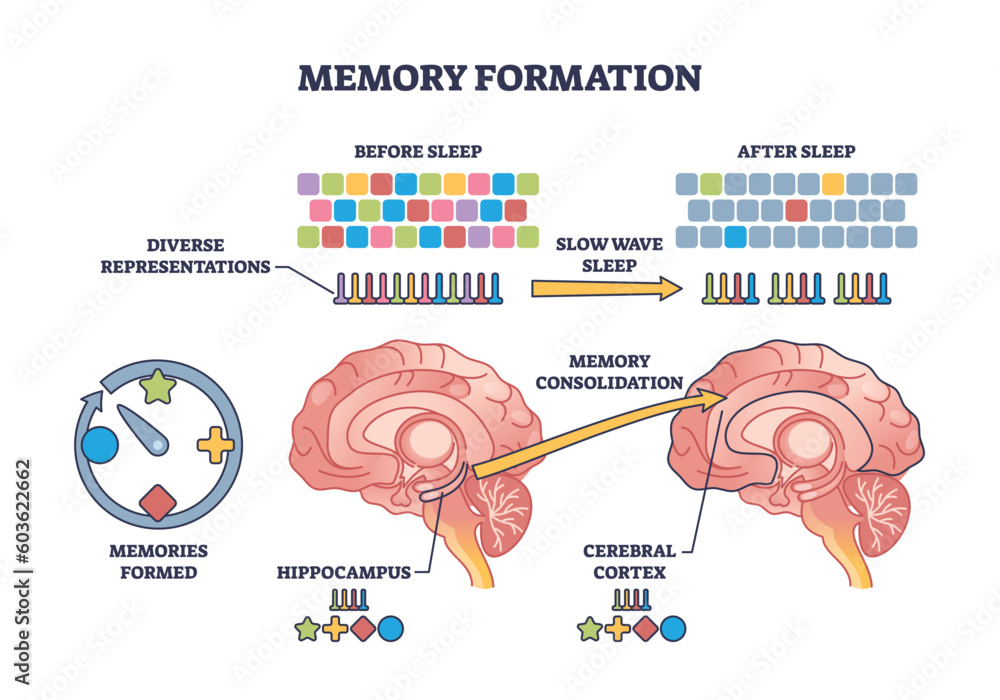
Memory formation techniques are essential to understanding how our brains encode and retain information. Recent advancements in neuroscience research, particularly the exploration of synaptic plasticity, have shed light on the intricate processes that underpin learning and memory. Researchers have identified new methods for mapping these processes, which could offer hope for preventing or treating neurodegenerative disorders that affect memory, such as Alzheimer’s disease. Among these innovative strategies is the EPSILON technique, which allows scientists to observe the movements of key proteins in neurons that play a pivotal role in synaptic functioning. By gaining insights into the molecular foundations of memory, we have the potential to develop therapies that significantly improve cognitive health and resilience in aging populations.
When diving into the realm of cognitive memory techniques, it’s fascinating to explore how our brain constructs and retrieves memories. Synaptic behavior and plasticity are fundamental concepts that illuminate the mechanisms behind learning capacity and memory retention. Innovative research methods are increasingly shining a light on these complex interactions, paving new paths for tackling issues related to cognitive decline. Techniques such as the Extracellular Protein Surface Labeling in Neurons (EPSILON) play a critical role in investigating the molecular basis of memory, especially concerning the vital proteins that facilitate neuron communication. This exploration not only highlights the importance of understanding our brain’s functionality but also underscores the significance of developing effective strategies to combat memory-related disorders.
Understanding Memory Formation Techniques
Memory formation techniques are crucial in neuroscience, especially as researchers delve into the complex mechanisms of learning and retention. One such innovative method is known as the EPSILON technique. Developed by a Harvard research team, EPSILON allows scientists to map the proteins responsible for synaptic transmission, specifically in relation to learning and memory processes. By illuminating the synaptic architecture, this technique uncovers how information is encoded within the brain’s neural networks, shedding light on the dynamic nature of memory formation.
The importance of understanding these techniques cannot be overstated. Neuroscience research highlights synaptic plasticity, which refers to the brain’s ability to strengthen or weaken synapses based on activity levels — a fundamental process in learning. By utilizing advanced microscopy and fluorescent labeling, researchers can observe these changes in real time, offering insights into how new memories are formed, retrieved, and stored. As scientists refine these techniques, they pave the way for developing innovative treatments for neurodegenerative disorders like Alzheimer’s, where memory impairment is prevalent.
The Role of Synaptic Plasticity in Learning and Memory
At the heart of learning and memory is the concept of synaptic plasticity, a process that allows synapses, the connections between neurons, to adjust their strength based on experience. Recent research has demonstrated the significance of this dynamic ability, particularly through studies involving the EPSILON technique. By mapping the behavior of AMPARs, key proteins in synaptic plasticity, researchers are revealing the intricate patterns that dictate which connections are enhanced or diminished during memory formation.
Synaptic plasticity not only influences how memories are formed but also plays a critical role in cognitive functions across various contexts. Understanding this process deepens our comprehension of learning, from mundane tasks to complex problem-solving. With findings from neuroscience research indicating that disrupted synaptic function can lead to neurodegenerative disorders, ongoing investigations into synaptic plasticity hold promise for the advancement of therapeutic strategies aimed at restoring cognitive health.
Innovations in Neurological Research: The EPSILON Technique
The EPSILON technique represents a groundbreaking advancement in neurological research, providing unparalleled insights into synaptic behavior at the molecular level. By focusing on the movements of AMPARs, researchers can observe how these proteins interact and change during memory-related processes. This high-resolution approach allows scientists to visualize the real-time dynamics of synaptic interactions, permitting a deeper understanding of how memories are encoded within the brain’s complex neural circuitry.
Such innovations extend beyond mere curiosity; they hold the potential to transform how we understand and treat neurological conditions. As research continues to apply the EPSILON technique across various cognitive studies, the implications for developing new therapies targeting disorders like dementia become clearer. The ability to map synaptic plasticity and memory formation intricacies may lead to the identification of novel intervention strategies, underscoring the critical role that foundational research plays in health advancements.
Linking Protein Dynamics to Memory Trajectories
Investigating the relationship between protein dynamics and memory trajectories is pivotal in unraveling the mysteries of how memories are formed and retained. The application of the EPSILON technique enables researchers to link the trafficking of AMPARs to the expression of immediate early genes like cFos, which serve as indicators of gene activation in response to particular stimuli. This correlation provides valuable insights into the biological underpinnings of memory formation and the activation of specific neural circuits.
Further exploration into these protein dynamics not only enhances our understanding of memory processes but also highlights potential markers for memory retention and retrieval. By examining these dynamics in the context of neurodegenerative disorders, researchers can identify critical points of intervention, potentially leading to therapeutic advancements. This intricate interplay between protein movement and memory dynamics underscores the complexity of cognitive functions and the ongoing need for innovative research techniques.
Future Directions for Memory Research
As researchers expand upon the foundational insights provided by the EPSILON technique, the future of memory research looks promising. This new technique is offering scientists a more detailed understanding of how synaptic changes correlate with different types of memories. By mapping synaptic potentiation and history over time, researchers can better outline the dynamics of memory formation, which may unlock new strategies for combating memory-related disorders.
Improving therapeutic approaches to memory impairments involves not only understanding normal cognitive processes but also identifying how these processes go awry in neurodegenerative conditions. As EPSILON is adopted worldwide, researchers will likely discover new avenues for enhancing synaptic health and restoring cognitive functionality, providing hope for individuals affected by diseases like Alzheimer’s. The support of continued research efforts in this arena is essential for progress.
The Impact of Neuroscience Research on Cognitive Health
Neuroscience research plays a vital role in enhancing our understanding of cognitive health, particularly as it relates to the complexities of memory formation and learning. Breakthrough techniques such as EPSILON provide crucial insights into the molecular mechanisms governing synaptic plasticity. These discoveries not only inform our understanding of how memories are constructed but also illuminate the pathological processes involved in conditions like dementia.
The knowledge gained from these investigations is instrumental in developing targeted interventions that can address cognitive decline. By focusing on the core processes of synaptic reinforcement and plasticity, future research can help mitigate the impact of neurodegenerative disorders. Ultimately, the intersection of research and practical application will be paramount in forging the path toward improved therapies and patient outcomes in brain health.
Synaptic Mechanisms and Memory Encoding
Understanding the synaptic mechanisms involved in memory encoding is critical for appreciating how the brain processes and retains information. The EPSILON technique has unveiled new ways to observe these mechanisms, allowing researchers to closely monitor the interactions between neurotransmitter receptors like AMPARs and the formation of memories. These findings illustrate how specific synaptic changes contribute to the retention of both short and long-term memories.
Furthermore, exploring these synaptic mechanisms provides insights into various types of learning scenarios, revealing how distinct memories are structured within the brain. This nuanced understanding of memory encoding not only enhances our comprehension of normal cognitive functioning but also helps identify irregularities associated with neurodegenerative diseases. By layering these insights with practical applications, researchers continue to lay the groundwork for innovative treatment options.
Lessons from Synaptic Dysfunction in Neurodegenerative Disorders
The investigation of synaptic dysfunction in neurodegenerative disorders offers valuable lessons in the broader context of memory comprehension. Research reveals that conditions like Alzheimer’s involve significant alterations in synaptic plasticity, leading to impaired memory formation and retention. Utilizing techniques such as EPSILON helps clarify how these synaptic changes can be tracked and understood, contributing to our knowledge about the disease mechanisms at play.
By studying the specifics of synaptic impairment, researchers can better identify potential therapeutic targets. Understanding the pathways involved in synaptic modification is critical for developing interventions that may slow or halt cognitive decline. Continued research into these issues holds the potential for groundbreaking therapies that can improve quality of life for individuals affected by neurodegenerative disorders.
The Role of Advanced Microscopy in Neuroscience Discoveries
Advanced microscopy techniques are revolutionizing the way scientists explore neurological phenomena, especially in studying memory formation and synaptic interactions. With the development of the EPSILON method, researchers can examine synapses at unprecedented resolutions, unveiling details about synaptic behavior that were previously unattainable. This level of precision allows for significant insights into the biological foundations of learning and retention.
The application of such advanced tools extends far beyond mere observation; it enables researchers to form hypotheses about synaptic function and impairment in real time. As neuroscientific discoveries build upon these innovations, they provide a clearer understanding of cognitive health and the underlying mechanisms at play in both learning and neurodegenerative conditions. Such advancements underscore the critical importance of continuous investment in cutting-edge research technologies.
Frequently Asked Questions
What are Memory Formation Techniques and how do they relate to synaptic plasticity?
Memory Formation Techniques refer to the strategies and methods employed to enhance the process of encoding and retaining information in the brain. These techniques are closely linked to synaptic plasticity, which is the brain’s ability to strengthen or weaken synapses based on experience. Research has shown that understanding and utilizing these techniques can significantly improve learning and memory through the modulation of synaptic connections.
How does the EPSILON technique improve our understanding of memory formation?
The EPSILON technique, or Extracellular Protein Surface Labeling in Neurons, is a groundbreaking method that allows for the detailed mapping of synapses involved in memory formation. By illuminating the proteins, specifically AMPARs, that are crucial for synaptic plasticity, EPSILON provides unprecedented insights into how memories are created and retained, helping researchers understand the underlying mechanisms of learning and memory.
What role does synaptic plasticity play in learning and memory?
Synaptic plasticity is fundamental to learning and memory as it involves the strengthening or weakening of synaptic connections based on experiences. This dynamic adjustment allows the brain to adapt and reorganize itself, making it possible to store new information effectively. Memory Formation Techniques aim to harness this process to enhance cognitive performance and therapeutic outcomes for individuals with memory impairments.
Can Memory Formation Techniques help in understanding neurodegenerative disorders?
Yes, Memory Formation Techniques can provide critical insights into neurodegenerative disorders such as Alzheimer’s disease. By studying synaptic plasticity through techniques like EPSILON, researchers can identify the synaptic dysfunctions that contribute to memory loss in these conditions. This understanding can lead to the development of new therapeutic approaches aimed at enhancing memory and cognitive function.
What findings did the EPSILON technique reveal regarding AMPARs in memory formation?
The EPSILON technique revealed that AMPARs, which are vital for synaptic plasticity, are closely linked to memory traces or engrams in the brain. The research indicated that the trafficking of these receptors is crucial for the formation and retention of enduring memories, highlighting the interplay between protein dynamics and cognitive processes.
How does researching memory formation contribute to therapy for dementia patients?
Researching memory formation through advanced techniques like EPSILON helps us understand the molecular and synaptic mechanisms involved in learning and memory. By deciphering these processes, scientists can develop targeted therapies that aim to restore synaptic integrity and enhance memory function in dementia patients, potentially improving their quality of life.
What future applications can arise from the EPSILON technique in neuroscience research?
The EPSILON technique holds promise for various future applications in neuroscience research. It can be used to explore different types of memories and their specific patterns of synaptic plasticity. This method allows researchers to investigate cognitive phenomena more deeply, and its molecular tools may also facilitate the development of innovative strategies to treat memory impairments and cognitive decline.
| Key Points | Details |
|---|---|
| Groundbreaking Techniques | Harvard researchers have developed a new method called EPSILON to map how learning and memories are formed. |
| Molecular Mapping | The EPSILON technique illuminates the synaptic architecture of memory at unprecedented resolution. |
| Importance of Synapses | Synapses are the junctions where neurons communicate and are crucial for memory formation. |
| Key Proteins | AMPARs are essential proteins that play a vital role in synaptic plasticity. |
| Research Findings | Initial applications of EPSILON have revealed new insights into memory traces in the brain. |
| Future Applications | EPSILON may aid in understanding cognitive phenomena and improving therapies for memory impairments. |
Summary
Memory Formation Techniques are pivotal in understanding how we learn and recall information. The recent advancements in techniques like EPSILON showcase how we can map synaptic interactions at an unprecedented level of detail. This not only highlights the underlying processes of memory formation but also paves the way for innovative treatments for neurological disorders such as dementia. By continuing to explore these techniques, researchers can deepen our understanding of the brain and enhance strategies to combat memory-related ailments.

Gene Editing: Exploring the Promise and Ethical Challenges
Gene editing has emerged as a groundbreaking advancement in modern science, spearheaded by innovative tools like CRISPR technology. This revolutionary capability allows for precise modifications of genetic material, opening doors to potential cures for debilitating diseases, such as using a sickle cell cure that could transform lives. However, the rapid progression of gene editing raises significant ethical questions that society must confront, particularly regarding the long-term implications for health equity and the medical ethics surrounding such interventions. As we consider the promises offered by gene editing, it is equally critical to address the associated risks that come with altering the human genome. The debate on the ethics of gene editing encapsulates our responsibility in determining the future of genetic alteration amid the potential for enhanced health outcomes.
The field of genetic modification, best exemplified by CRISPR, is revolutionizing how we approach medical conditions that previously seemed insurmountable. By enabling targeted edits to DNA, scientists can potentially eradicate genetic disorders, underscoring the promise of a new era in healthcare. Yet, with such remarkable power comes a host of complex considerations, especially the ethical dilemmas that challenge our viewpoints on what it means to be human. As advancements in genetic tools bring us closer to the prospect of curing conditions like sickle cell disease, we must also engage in difficult conversations about health justice and the implications of these technologies on societal well-being. This discourse compels us to reflect on the balance between innovation and the moral responsibilities that accompany the ability to alter our genetic destiny.
Understanding Gene Editing: The Promise of CRISPR Technology
Gene editing has revolutionized our approach to treating genetic disorders, particularly through the use of CRISPR technology. With the capability to precisely alter DNA sequences, CRISPR offers a beacon of hope for conditions that were once deemed untreatable. The process involves utilizing the Cas9 enzyme alongside a guide RNA to identify and modify specific genes, providing the potential to cure diseases like sickle cell anemia. The advancements in gene editing create an exciting landscape for medical science, but as we tread further into this new territory, it raises critical questions about the implications of altering human genetics.
The immediate promise of CRISPR technology is evident in the development of potential cures for serious conditions. For example, researchers are now able to effectively remove the genetic mutation that leads to sickle cell anemia, a painful disease that affects approximately 100,000 individuals in the U.S. However, alongside this prospect lies the ethical dilemma of how far should gene editing go. As Baer pointed out, while curing life-threatening diseases is one thing, contemplating edits for conditions that do not pose an immediate health threat – or that define our individuality – is much more complex.
Ethical Dilemmas: Navigating the Complexities of Gene Editing
The ethics of gene editing are as significant as the technology itself, requiring careful consideration of both the medical and social ramifications. Who is entitled to make decisions about gene alterations? Should parents have the authority to ‘design’ their children’s traits, such as intelligence or physical abilities? These questions emerge critically in discussions surrounding the use of CRISPR, pushing us to engage in a deeper exploration of medical ethics. The debate is intensified when contemplating interventions for conditions like Down syndrome, raising pressing inquiries about value judgments in the healthcare community.
Additionally, the socio-economic implications of gene editing cannot be overlooked. As advancements in CRISPR technology become increasingly commercialized, issues of health equity arise. The staggering cost of treatments, such as the estimated $2.2 million for sickle cell cures, poses a dilemma about access to these innovations. Wealthier populations may benefit disproportionately from these breakthroughs, leading to broader societal inequities. As Rebecca Weintraub Brendel notes, innovation must not only be scientifically sound but must also consider the ethical implications on health justice, ensuring that technology does not exacerbate existing gaps in healthcare access.
The Future of Healthcare: Gene Editing’s Role in Curing Diseases
As we navigate the future of healthcare, gene editing stands out as a transformative tool in the fight against genetic diseases. The potential to edit somatic cells to treat conditions like sickle cell disease is groundbreaking. Innovations from researchers such as Sekar Kathiresan illustrate the capabilities of gene manipulation to lower LDL cholesterol effectively. However, these advances also need critical assessment, as we must understand the broader implications such edits may have on the body. The complexity of gene interactions and the potential consequences of insights from the past 3 billion years of evolutionary biology highlight that while some changes seem beneficial on the surface, they could introduce unforeseen complications.
The promise of curing diseases through gene editing must also be balanced with a responsibility for overseeing the technology. As news of gene editing has spread, so too have concerns about unregulated practices in other countries. The importance of establishing robust regulatory frameworks that not only protect human subjects but also maintain ethical standards in medical practice is paramount. The journey towards effectively utilizing gene editing technologies must be taken with caution, ensuring developments in the medical field prioritize safety and ethical considerations alongside scientific innovation.
Health Equity in Gene Editing: A Critical Analysis
Health equity is an essential consideration in the realm of gene editing. As technologies like CRISPR provide opportunities to cure diseases, there exists a real danger of creating a healthcare divide where only affluent populations receive the benefits of scientific advancements. The disparity in access to groundbreaking treatments raises critical questions about justice in healthcare. For conditions like sickle cell anemia, which predominantly affects marginalized communities, ensuring that all individuals have access to these therapies is not just a health issue; it’s a societal obligation.
Moreover, the ethical aspect of health equity must involve not just access to treatments, but the larger narrative of who dictates which diseases are prioritized for research and funding. The tension between providing care for those who can afford it and ensuring that innovative treatments are accessible to all populations is pivotal. Thus, ongoing discussions about health equity should not overlook the voices of those affected by genetic disorders, ensuring that solutions are inclusive and comprehensively address disparities.
Cultural Perspectives on Gene Editing: A Global Debate
Gene editing does not exist in a vacuum; it is entwined with cultural and societal perspectives that vary worldwide. Discussions around the ethics of gene editing could change dramatically based on cultural values, particularly regarding what constitutes a ‘desirable’ genetic trait. In some cultures, when we consider interventions that alter ‘human variation’ — such as those involving deafness or other non-life-threatening conditions — the emphasis may be less on ‘fixing’ a condition and more on recognizing and celebrating diversity. This perspective is crucial as we move forward in defining what gene editing should aim to achieve.
Furthermore, international dialogues around gene editing can provide different insights into regulatory approaches. Countries with contrasting stances on gene editing ethics may influence global standards or practices. For instance, while some regions may impose strict regulations against germline editing, others might advocate for its exploration. Thus, fostering a global discourse on gene editing ethics must accommodate varied cultural attitudes, ensuring that advancements in science uphold shared human dignity and respect for diverse beliefs.
The Role of Medical Ethics in Gene Editing
Medical ethics plays a crucial role in the debate surrounding gene editing, particularly as the technology rapidly evolves. Practitioners and researchers must grapple with the implications of their work, ensuring that patient welfare remains paramount. Ethical guidelines must be established to help navigate the complexities of gene manipulation, balancing the pursuit of scientific knowledge with the responsibility to safeguard human rights and dignity. As seen in discussions surrounding CRISPR, the dialogue extended beyond the lab and into societal realms, underscoring the need for ethical frameworks that govern practice and research in this field.
In addition, the role of the medical community extends to advocating for patient voices in discussions about gene editing. Patients’ experiences with genetic disorders should inform ethical decision-making and offer valuable insights into the impacts of gene editing on real lives. This accountability to those directly affected will help in crafting ethical frameworks that prioritize human well-being and ensure that innovative therapies contribute positively to the health care system.
The Intersection of Gene Editing and Medical Research
The intersection of gene editing and medical research is an exciting prospect that can lead to groundbreaking therapies. Innovations driven by CRISPR technology have the potential to accelerate the pace of research, opening doors to new understanding of genetic conditions and their treatment. By enabling precise modifications to DNA, researchers can study gene function in ways previously thought unattainable. This exploratory nature of gene editing also paves the way for personalized medicine, where treatments can be tailored to individual genetic profiles, enhancing efficacy and safety.
However, the integration of gene editing into medical research must be matched with rigorous scientific inquiry to unravel potential risks and maintain ethical standards. Each breakthrough carries responsibilities, with researchers obligated to conduct thorough risk assessments before proceeding with any clinical applications. The dual focus on innovation and caution will define the trajectory of gene editing research, as we ensure that the promise of these technologies aligns with the principles of medical ethics and patient safety.
Cost and Accessibility: Navigating the Financial Implications of Gene Editing
The financial implications of gene editing are a major concern as we consider its adoption in clinical settings. With the prices of cutting-edge treatments soaring — such as the $2.2 million cost for sickle cell cures — the question arises of who can afford such life-saving interventions. The potential for gene editing to widen existing health disparities is real, posing challenges for policymakers and healthcare providers aiming to ensure equitable access. Access to advanced therapies could hinge on socioeconomic status, creating a healthcare landscape divided by affordability.
Addressing the intersection of cost and accessibility involves proactive measures to develop policies that promote fairness in managing gene editing technologies. Innovative funding models, public health initiatives, and advocacy are essential components to bridge the affordability gap. Ensuring that every patient, regardless of financial means, has access to transformative gene therapies is imperative for achieving true health equity, transforming the promise of gene editing into a reality for all.
Public Perception of Gene Editing: Navigating Societal Concerns
Public perception is a critical component of the gene editing conversation, shaping how society views and interacts with emerging technologies. As CRISPR and similar tools generate media attention, differential opinions reflect varying degrees of trust in scientific advancements. While some celebrate gene editing as a revolutionary leap forward in medicine, others express concerns about potential misuse and ethical violations. Addressing societal apprehensions is essential for legitimizing the dialogue surrounding the use of gene editing in health care.
Educational initiatives play a significant role in shaping public understanding of gene editing. As researchers and ethical committees work to elucidate the complexities of CRISPR and its applications, engagement with lay audiences becomes paramount. Clear communication of the benefits, risks, and ethical considerations associated with gene editing can foster informed discussions and help to demystify the technology. Building trust through transparency and education will be crucial as we navigate the future of gene editing in society.
Frequently Asked Questions
What is CRISPR technology and how does it relate to gene editing?
CRISPR technology is a revolutionary gene editing tool that allows scientists to modify DNA by adding, removing, or altering genetic material at specified locations in the genome. This technology, which stands for Clustered Regularly Interspaced Short Palindromic Repeats, enables precise gene editing, making it a cornerstone of modern genetics and offering potential cures for genetic diseases, such as sickle cell anemia.
What are the ethical concerns surrounding gene editing with CRISPR?
The ethics of gene editing involve complex issues, including the implications of altering human genetics, the potential for unintended consequences, and the societal impacts of such technologies. Questions arise about who should make decisions regarding gene editing, particularly for conditions that are not life-threatening, like Down syndrome, and the fairness of access to these potentially expensive therapies.
Could CRISPR technology be the key to a cure for sickle cell disease?
Yes, CRISPR technology offers promising potential as a cure for sickle cell disease by enabling scientists to edit the faulty genes responsible for the disorder. Recent advancements have demonstrated that manipulating somatic cells can successfully remove the genes underlying sickle cell disease in affected individuals, providing hope for effective treatments and possibly even cures.
How does health equity factor into the discussion of gene editing?
Health equity is a significant concern in the context of gene editing, especially with expensive treatments like those offered for sickle cell disease. The high costs of gene therapy raise questions about accessibility and fairness—will only those who can afford these treatments benefit, while others are left behind? Ensuring that advancements in gene editing benefit everyone, regardless of socioeconomic status, is critical for ethical progress in this field.
What are the potential unintended consequences of gene editing?
Gene editing, while transformative, carries risks associated with unintended consequences. Modifications to genes can disrupt natural genomic functions, potentially leading to unforeseen health issues. For example, changes made to genes that have evolved over billions of years can interact in complex ways with other biological processes, complicating the expected benefits and posing risks to long-term health.
| Key Point | Details |
|---|---|
| Gene Editing Overview | CRISPR technology allows precise changes to DNA, both in somatic and germline cells, raising possibilities for curing genetic diseases. |
| Ethical Dilemmas | Questions arise about the ethics of gene editing for non-lethal conditions like Down syndrome, and who determines what changes should be made. |
| Cost and Accessibility | Treatments like the sickle cell cure can cost $2.2 million, raising issues of fairness and health equity among different populations. |
| Parental Decisions | The right of parents to choose genetic attributes for their children is debated, especially in cases of non-pathological traits. |
| Regulatory Concerns | There are risks of unethical applications and lack of oversight in countries with looser regulations on gene editing. |
| Unintended Consequences | Gene interactions are complex, and changes can lead to unexpected health issues that are difficult to predict. |
Summary
Gene editing represents a revolutionary approach in medicine, providing the potential to cure genetic disorders and improve lives. At the same time, it poses significant ethical questions regarding the implications of altering human genetics. The discussion surrounding CRISPR technology, as highlighted by experts, emphasizes the importance of thoughtful consideration before embracing its applications. As we tread further into this frontier, it is crucial to address the associated costs, accessibility, and the moral responsibilities we carry towards future generations.

Health Tracking: Understanding Learning and Memory Formation
Health Tracking is increasingly essential in understanding the complex mechanisms behind learning and memory formation. Recent advancements in neuroscience research have shed light on the intricate processes of synaptic plasticity, the foundation for how we acquire and retain information. By utilizing innovative techniques such as the EPSILON method, researchers are uncovering vital insights that could pave the way for effective dementia treatment. This technique allows for a meticulous mapping of synaptic connections, highlighting the dynamics that govern memory storage. As we delve deeper into these scientific breakthroughs, Health Tracking not only enhances our comprehension of cognitive functions but also lays the groundwork for potential new therapies.
The domain of health monitoring encompasses a variety of approaches designed to enhance our understanding of cognitive processes. Through the lens of innovative methodologies, scientists are exploring how our brains develop learning and memories, particularly in light of challenges presented by neurodegenerative conditions. Concepts tied to synaptic restructuring and the manipulation of neuronal pathways are gaining traction, further emphasizing the need for effective strategies in combating memory-related disorders. Techniques such as EPSILON are not merely academic innovations; they represent potential breakthroughs in the realm of healthcare, particularly for conditions like dementia. By investigating these neurological frameworks, researchers aim to revolutionize treatment options and improve the lives of those affected by cognitive decline.
Understanding Learning and Memory Formation
The intricate processes involved in learning and memory creation hinge upon a complex network of neurons communicating via synapses. Within this network, synaptic plasticity plays a pivotal role, allowing for the adaptation and reorganization of neural connections in response to new experiences. Researchers are increasingly focusing on this phenomenon, as it directly influences the ways we retain information and how memories are recalled later. To understand memory formation deeply, it is essential to study not only the synapses themselves but also the molecular underpinnings that govern their dynamics.
At the forefront of neuroscience research, innovative techniques like the EPSILON method have emerged. This novel approach enables scientists to map the movement of essential proteins, such as AMPARs, which are critical in facilitating synaptic communication. By utilizing advanced microscopy alongside fluorescent labeling, researchers can now observe synaptic changes with unprecedented clarity, illuminating the relationship between synaptic plasticity and memory formation. Such insights may offer invaluable knowledge not just on learning processes, but also on the development of effective therapies for conditions like dementia, where these mechanisms deteriorate.
The Role of Synaptic Plasticity in Memory
The concept of synaptic plasticity is fundamental to understanding how memories are formed and retained. This adaptive capability of synapses enables the brain to strengthen certain neural pathways while weakening others, based on experiences. Research has demonstrated that changes in synaptic strength can significantly influence how memories are encoded and retrieved. The ability to study these processes in detail can vastly improve our understanding of cognitive functions and how they may be disrupted in various neurological disorders.
Recent advancements in methodologies, particularly with the introduction of the EPSILON technique, have further clarified the role of AMPARs in synaptic plasticity. By examining how these proteins are trafficked and located within the synapses, researchers are uncovering the rules that dictate synaptic modifications during memory formation. Such findings not only bolster our grasp of healthy brain function but also have implications for developing therapeutic strategies tailored to combat memory-related disorders, such as those seen in Alzheimer’s disease and other forms of dementia.
Health Tracking: Innovations in Neuroscience
Recent innovations in health tracking are paving the way for enhanced monitoring of cognitive health and memory function. With the advent of sophisticated techniques like EPSILON, health professionals and researchers can now track changes in synaptic plasticity over time, gaining insights into both normal cognitive function and memory impairments. This capability will enable more personalized medicine approaches, where treatments can be tailored based on an individual’s specific neurological profile.
Additionally, the integration of health tracking technologies with neuroscience research may help in the early detection and management of cognitive decline. By continuously monitoring synaptic changes, we could potentially identify the onset of conditions like dementia before significant symptoms appear. Such proactive strategies could revolutionize how we approach neurological health, shifting from reactive treatment to preventive care, significantly improving outcomes for patients suffering from cognitive disorders.
The EPSILON Technique and Its Impact on Research
The EPSILON technique represents a significant breakthrough in neuroscience research, enabling detailed observation of protein dynamics within neurons. By focusing on how AMPARs interact at synaptic junctions, researchers are able to elucidate the molecular mechanisms that underlie memory storage and retrieval. This precision not only reveals the intricacies of synaptic behavior but also opens doors for exploration into how these mechanisms can be altered during disease states.
Furthermore, the application of EPSILON extends beyond basic research into potential clinical settings. Understanding how synaptic plasticity is regulated can inform new treatment strategies for memory disorders, suggesting pathways for therapeutic intervention. As the scientific community continues to adopt and refine this technique, the prospects for innovating dementia treatment and other cognitive health strategies appear increasingly promising.
Neuroscience Research: Bridging Basic Science and Application
Neuroscience research often occupies a unique position between theoretical understanding and practical application. Advancements such as the EPSILON technique showcase how foundational research can lead to tangible benefits in health care. For instance, investigating the molecular pathways involved in learning and memory paves the way for developing new therapeutic strategies for conditions characterized by memory dysfunction.
Researchers like Adam Cohen stress the importance of supporting basic science as it lays the groundwork for future medical innovations. The sequential progress from understanding synaptic plasticity to applying that knowledge in clinical settings illustrates the interconnectedness of research fields. By fostering a robust research environment, the potential to advance treatments for cognitive disorders continues to grow, ultimately enhancing patient care and outcomes.
Emerging Therapies for Memory Impairments
The ongoing evolution of therapeutic strategies aimed at addressing memory impairments represents a critical area in neuroscience research. As understandings of conditions like Alzheimer’s deepen, so too do the approaches to treatment. Techniques like EPSILON provide not only insights into normal cognitive processes but also highlight potential therapeutic targets within synaptic pathways—offering hope for effective dementia treatment options.
In the near future, therapeutic developments may leverage findings from synaptic research to create interventions that enhance synaptic plasticity or restore lost functions. These advancements could significantly alter the landscape of memory impairment treatments, leading to improved quality of life for individuals afflicted with these challenging cognitive disorders. As researchers explore this fertile ground for innovation, collaboration within the scientific community will be paramount.
The Future of Cognitive Phenomena Studies
Looking ahead, the integration of innovative techniques such as EPSILON into the study of cognitive phenomena promises to transform our understanding of memory processes. By meticulously mapping the synaptic behaviors that occur during different types of learning experiences, researchers can begin to unravel the complexities of memory formation in a more comprehensive manner. This understanding is crucial for elucidating the differential patterns of synaptic plasticity that accompany various memory types.
Moreover, as the scientific community continues to share resources and insights, the potential for breakthroughs in our comprehension of learning and memory is enormous. Exploring how various neural mechanisms interact and contribute to the overall cognitive experience will not only advance academic knowledge but also enhance strategies for addressing cognitive decline. The future of neuroscience is bright, with the promise of new revelations that can considerably impact therapy and intervention for memory-related disorders.
Exploring the Link Between Memory and Learning
Investigating the link between memory and learning has long been a focus of psychological and neuroscientific research. The dynamic nature of memory formation—rooted in the concept of synaptic plasticity—illustrates how experiences shape our cognitive well-being. This relationship is critical in understanding how information is processed, retained, and recalled.
By deciphering the complexities behind how memories are formed, researchers gain insights into the underlying mechanisms that disrupt cognitive processes in conditions such as dementia. Modern techniques like EPSILON are crucial in this exploration, allowing for a closer examination of the synapses involved in memory retrieval and encoding.
The Importance of Support in Scientific Discovery
Support for scientific discovery plays a vital role in translating basic research into meaningful applications. Adam Cohen highlights the historical trajectory of scientific tools, illustrating that even breakthroughs in unrelated fields can eventually facilitate advancements in health care. Recognizing the importance of sustaining research funding and infrastructural support is essential for fostering the next generation of innovations.
The collaborative effort seen in institutions like Harvard serves as a model for how interdisciplinary approaches can yield groundbreaking results. By uniting chemists, biologists, and neuroscientists, research efforts can be significantly amplified, ultimately enhancing our understanding of complex issues such as dementia and other cognitive impairments. As the field evolves, continued investment in scientific research is key to unlocking future advancements.
Frequently Asked Questions
What is health tracking in relation to learning and memory formation?
Health tracking in relation to learning and memory formation involves monitoring how lifestyle factors impact brain function and memory retention. Techniques in neuroscience research, such as studying synaptic plasticity, provide insights into how dietary choices, exercise, and sleep patterns affect cognitive health and memory formation.
How can health tracking assist in dementia treatment?
Health tracking can play a crucial role in dementia treatment by allowing caregivers and healthcare professionals to monitor cognitive changes and implement early interventions. Using advanced techniques like EPSILON, researchers can identify synaptic changes related to memory, thereby guiding therapies aimed at improving synaptic plasticity and cognitive function in dementia patients.
What role does synaptic plasticity play in effective health tracking?
Synaptic plasticity is pivotal for health tracking as it underlies the brain’s ability to adapt and learn. By observing synaptic changes through health tracking methods, researchers can better understand how different factors influence the brain’s adaptive processes, leading to improved strategies for enhancing memory and preventing cognitive decline.
What advancements does the EPSILON technique bring to memory research in health tracking?
The EPSILON technique significantly advances memory research in health tracking by providing detailed mapping of synaptic behavior. This allows for the observation of how proteins involved in synaptic plasticity respond to various stimuli, offering a clearer picture of the biological underpinnings of memory and leading to potential treatments for cognitive impairments.
How does monitoring neuronal health contribute to understanding memory formation?
Monitoring neuronal health contributes to understanding memory formation by revealing how different variables affect synaptic plasticity—the core mechanism of memory storage. By health tracking neuronal changes, researchers can identify the factors that support or impair learning processes, potentially informing new therapies for neurological disorders like dementia.
Can health tracking impact neuroscience research outcomes?
Yes, health tracking can profoundly impact neuroscience research outcomes by providing valuable data on how lifestyle factors influence brain function. This empirical evidence can inform studies on synaptic plasticity and memory formation, leading to enhanced understanding and treatment options for conditions that affect cognitive health.
What is the importance of synaptic behavior in health tracking studies?
Synaptic behavior is vital in health tracking studies as it directly correlates with how memories are formed and retrieved. By studying synaptic plasticity through methods like EPSILON, researchers can understand the underlying mechanisms of learning and memory, which is essential for developing targeted interventions in cognitive health.
| Key Points | Details |
|---|---|
| New Technique: EPSILON | Maps molecular foundations of learning and memory. |
| Significance | Offers potential new therapies for disorders like dementia. |
| Research Method | Combines fluorescent labeling with advanced microscopy to observe synaptic behavior. |
| AMPARs Role | Key proteins in synaptic plasticity that facilitate learning and memory formation. |
| Findings on Memory Dynamics | Revealed rules for how synapses strengthen or weaken during memory formation. |
| Future Applications | EPSILON will be used across labs worldwide to study cognitive processes. |
Summary
Health Tracking techniques like the newly developed EPSILON method are crucial for understanding the formation of memories and learning processes in the brain. This innovative approach not only sheds light on the molecular mechanisms involved but also holds promise for developing therapies for neurological disorders such as dementia. As researchers continue to explore the dynamics of synaptic plasticity and its implications for memory, it is evident that advancements in health tracking are pivotal in paving the way for improved understanding and treatment of cognitive impairments.
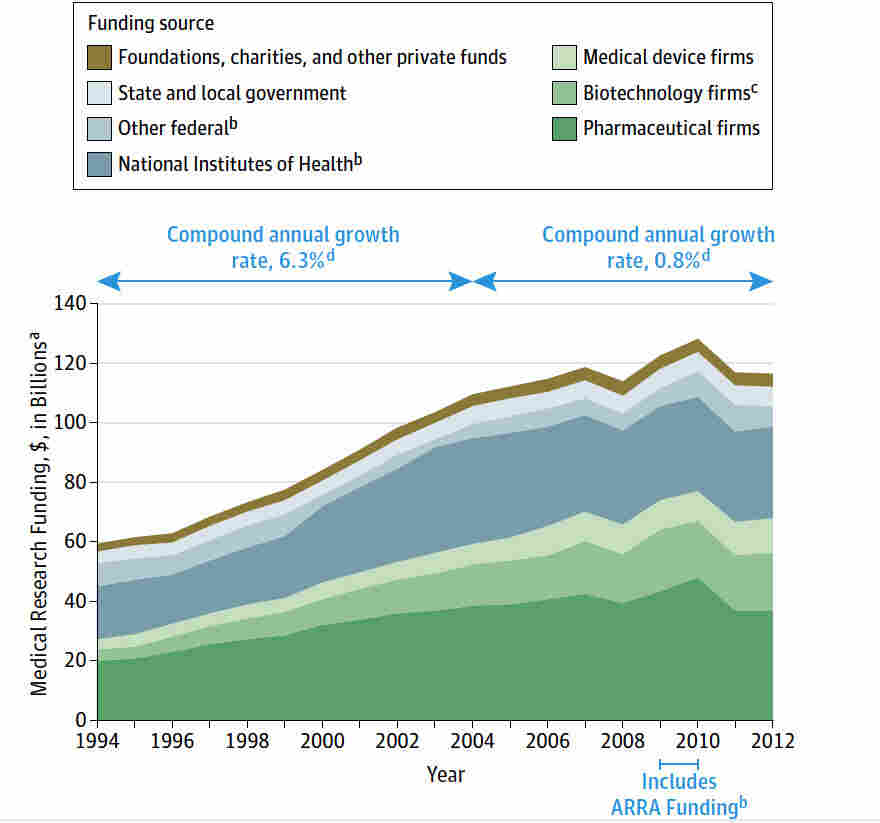
Medical Research Funding: Protecting Patients’ Safety
Medical research funding plays a crucial role in advancing healthcare and ensuring patient safety. Without adequate financial support, the vital processes of clinical research oversight can falter, jeopardizing the wellbeing of participants enrolled in studies. For instance, cuts to federal research grants can severely affect institutional review boards (IRBs), which are responsible for ethical oversight in research. The implications of this disruption can cascade, impacting not only current studies but also eroding public trust in medical research as a whole. Consequently, safeguarding the rights and safety of patients hinges on the consistent allocation of funding to support collaborative and ethical research practices.
Funding for medical research encompasses various forms of financial support aimed at enhancing clinical trials and safeguarding patient welfare. This crucial financial backing facilitates the ethical oversight necessary for research that involves human participants, ensuring that their rights are respected throughout the study process. The interruption of research funding, particularly from federal sources, can lead to significant setbacks in ongoing trials and collaborative efforts across healthcare institutions. Such disruptions not only hinder scientific progress but can also foster distrust among the public, who rely on these studies for innovative treatments and therapies. Ultimately, maintaining steady support for research financing is essential for protecting patient safety and promoting effective oversight in clinical research.
The Importance of Medical Research Funding
Medical research funding is crucial for advancing scientific knowledge and improving healthcare outcomes. It supports the studies that enable researchers to develop new treatments, medications, and technologies that can significantly enhance patient care. Without sufficient funding, institutions may struggle to conduct vital studies that test the effectiveness and safety of new medical approaches, which can lead to stalled innovation in the healthcare industry.
Additionally, federal research grants are essential because they provide the resources necessary for institutions to maintain rigorous ethical oversight. This oversight, often facilitated by Institutional Review Boards (IRBs), ensures that research complies with ethical standards that protect participant safety and rights. A disruption in funding can compromise these safeguards, potentially leading to oversights in how clinical research is conducted.
Frequently Asked Questions
How does medical research funding impact patient safety in clinical trials?
Medical research funding is crucial for ensuring patient safety in clinical trials. It provides necessary resources for institutional review boards (IRBs) to review protocols, monitor participant welfare, and enforce ethical standards. With adequate funding, IRBs can effectively oversee the research process, minimizing risks and protecting the rights and safety of participants.
What is the role of federal research grants in clinical research oversight?
Federal research grants play a vital role in clinical research oversight by providing the financial support needed for developing robust regulatory frameworks. These grants enable institutions to establish and maintain IRB processes that ensure compliance with federal regulations, thereby safeguarding the well-being of research participants.
Can you explain the impact of IRB funding on ethical oversight in research?
IRB funding significantly enhances ethical oversight in research by ensuring that adequate resources are available for thorough reviews of research proposals. With sufficient funding, IRBs can adequately assess risks, ensure informed consent, and uphold ethical standards, ultimately protecting participant safety and maintaining public trust in medical research.
What challenges do researchers face due to cuts in medical research funding?
Cuts in medical research funding severely hinder researchers’ ability to conduct safe and ethical studies. Reduced funding leads to fewer resources for IRBs, resulting in compromised clinical research oversight and increased risks to participant safety. Additionally, ongoing studies may be interrupted, leading to a potential loss of valuable data and diminished public trust in research.
How do federal research grants influence the effectiveness of collaborative research efforts?
Federal research grants are essential for fostering collaborative research efforts, as they provide the necessary funds to streamline processes like single IRB reviews across institutions. By funding multi-site studies, these grants enable researchers to work more efficiently together, ensuring that patient safety and ethical standards are consistently upheld throughout the research process.
What are the implications of insufficient funding on patient safety in medical research?
Insufficient funding for medical research leads to delays in clinical trials, inadequate oversight by IRBs, and potential risks to patient safety. Without adequate resources, researchers may struggle to ensure rigorous ethical standards and comprehensive monitoring, which could ultimately compromise the welfare of participants and the integrity of research outcomes.
How does the SMART IRB system relate to medical research funding?
The SMART IRB system, designed to facilitate oversight for multi-site studies, relies heavily on medical research funding for its operation. This funding allows IRBs to collaborate effectively and streamline approval processes, thus enhancing patient safety and improving the overall efficiency of clinical research.
In what ways can research funding cuts affect patient enrollment in clinical studies?
Research funding cuts can adversely affect patient enrollment in clinical studies by halting ongoing research and preventing new trials from starting. Without adequate resources for outreach and community engagement, potential participants may be unaware of available studies, limiting their access to innovative treatments and undermining the progress of medical research.
What systemic issues arise from a halt in medical research funding?
A halt in medical research funding can create systemic issues such as delayed studies, interrupted patient recruitment, and a decline in the quality of research oversight. This can adversely affect the integrity of clinical findings and contribute to public mistrust of the medical research enterprise, ultimately compromising patient safety.
| Key Point | Description |
|---|---|
| Funding Freeze | The Trump administration’s freeze on over $2 billion in federal research grants disrupted medical research efforts, affecting the rights and safety of patients. |
| SMART IRB System | Administered by Harvard Catalyst, the SMART IRB system is essential for oversight of collaborative medical research across multiple sites. |
| IRB Responsibilities | Institutional Review Boards (IRBs) ensure patient safety and rights by reviewing research proposals and maintaining ethical standards. |
| Impact of Funding Cuts | Cuts to funding halt ongoing studies, delay research, and risk participant safety, further eroding public trust in medical research. |
Summary
Medical research funding is crucial for upholding the safety and rights of patients in research studies. The halt in funding has led to significant disruptions in oversight and has jeopardized the ethical review processes necessary to protect participants. The loss of vital resources like the SMART IRB system directly impacts the ability to conduct thorough and responsible research. Continuing this funding is imperative, as it ensures the integrity of clinical studies and fosters public confidence in the medical research community.
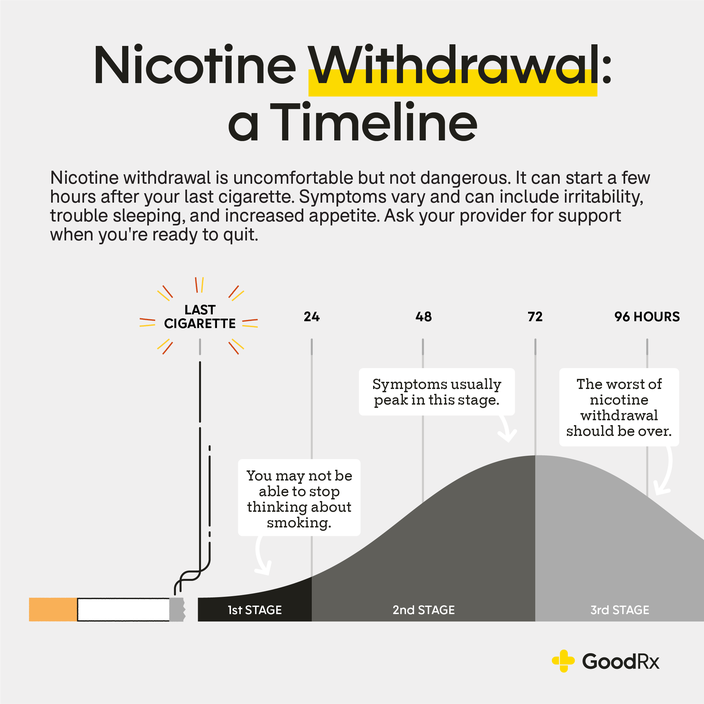
Vaping Cessation Pill: FDA-Approved Aid for Teens
Vaping cessation pill, specifically varenicline, is emerging as a beacon of hope for teenagers and young adults seeking to escape the grips of nicotine addiction. Recent research from Mass General Brigham has revealed that those who use this FDA-approved smoking cessation medication are over three times more likely to successfully quit vaping compared to individuals relying solely on behavioral counseling. With the alarming rates of vaping among teens—approximately 8% of high schoolers vaped in 2024—this treatment offers a scientifically-backed solution to address a pressing public health concern. The effectiveness of varenicline presents a unique opportunity for nicotine addiction treatment, emphasizing the need for accessible options that aid adolescents in quitting. Understanding the implications of such findings is crucial as society seeks to combat the increasing prevalence of vaping among youth.
The vaping discontinuation pill, a term capturing the essence of varenicline, is gaining recognition as an essential component in the fight against nicotine dependency in youth. This newly-highlighted medication, designed for those struggling to stop vaping, promises significant benefits, especially for those aged 16 to 25. With nicotine products becoming increasingly prevalent among young people, a focused approach, including FDA-endorsed smoking cessation solutions, is vital. Innovative strategies and comprehensive treatment methods are being developed to provide effective resources for teens and young adults grappling with the pervasive challenge of vaping. Such advancements illuminate the path towards a healthier future, free from nicotine addiction.
Understanding Varenicline for Teens
Varenicline is an FDA-approved smoking cessation pill that has shown significant promise in helping individuals, particularly teens and young adults, to quit vaping. In recent studies, like the one conducted at Mass General Brigham, it was found that young people aged 16 to 25 who used varenicline were over three times more likely to successfully quit vaping compared to those using placebos. This statistic highlights the potential of designated medical support in combating nicotine addiction within this vulnerable demographic, addressing their specific needs and circumstances.
The effectiveness of varenicline stems from its dual action on nicotine receptors in the brain, which not only reduces the pleasure derived from smoking but also mitigates withdrawal symptoms. For many teens and young adults grappling with nicotine addiction, this can make the transition away from vaping more bearable. As vaping continues to rise among youth, particularly with ease of access and use, incorporating varenicline into cessation programs becomes crucial in addressing the public health crisis associated with nicotine dependency.
The Role of Behavioral Counseling in Vaping Cessation
Although varenicline provides a powerful tool for quitting vaping, behavioral counseling remains an essential component of a comprehensive cessation strategy. The study from Mass General Brigham included weekly behavioral counseling alongside the medication, which demonstrated improved results compared to using varenicline alone. By providing emotional support and practical coping strategies, counselors can help adolescents navigate cravings and triggers related to nicotine addiction, emphasizing that quitting is not just about the physical need but also about changing habits and social behaviors.
Behavioral counseling can aid in reinforcing the motivation to quit and develop resilience against relapse. In the study, participants who were engaged in counseling had higher success rates, showing that medication and psychological support work synergistically to combat the addiction. For teens and young adults, integrating counseling with medication like varenicline represents a holistic approach to overcoming vaping, highlighting the need for multifaceted strategies within nicotine addiction treatment.
The Impact of Vaping on Adolescent Health and Development
Vaping has rapidly become a significant health concern among adolescents, with studies revealing alarming rates of use among high schoolers and young adults. The findings from Mass General Brigham indicate that approximately 8 percent of high school students engaged with vaping in 2024, pointing to a pervasive trend that can jeopardize the health and development of young people. The high levels of nicotine present in many vape products not only foster immediate addiction but also set the stage for greater susceptibility to substance abuse disorders later in life.
Early exposure to nicotine can affect brain development, leading to cognitive impairments and increased vulnerability to addiction. Given that teens are generally more affected by the addictive properties of nicotine, effective cessation methods like varenicline are essential in redirecting their health trajectory. Addressing adolescent vaping through targeted public health strategies that encompass both cessation pills and counseling can pave the way for healthier futures and contribute to reducing broader societal health issues.
The Efficacy of FDA-approved Smoking Cessation Methods
The FDA’s approval of varenicline as a smoking cessation method highlights its credibility and effectiveness in treating nicotine addiction, particularly among younger populations. In clinical trials, such as those reported by Mass General Brigham, varenicline’s ability to facilitate a successful quit rate shows significant promise, with 51 percent of young participants quitting vaping after 12 weeks of treatment. This statistic reinforces the importance of utilizing FDA-approved medications in tobacco cessation programs for youth, aligning with efforts to reduce nicotine addiction in a generation increasingly affected by vaping.
Additionally, the study’s focus on the younger demographic reveals that there is an urgent need for effective nicotine addiction treatment targeted at teenagers. Current cessation methods must adapt to the unique challenges faced by adolescents, such as peer influence and the social acceptance of vaping. Importantly, varenicline’s designation for use in this age group is a step towards addressing these challenges and providing the necessary resources to combat the vaping epidemic.
Combating Teens and Vaping: A Public Health Challenge
Combating the rising trend of vaping among teenagers poses a challenging public health dilemma. The study findings from Mass General Brigham shed light on the urgent need for effective interventions, as vaping is increasingly normalized among youth. With approximately one-quarter of the 18 to 25 age group reported vaped in recent years, understanding the associated health risks and developing appropriate cessation strategies is paramount for public health officials and caregivers alike.
Solutions must encompass educational efforts that highlight the dangers of vaping while simultaneously increasing accessibility to cessation tools like varenicline. Collaborative strategies involving schools, healthcare providers, and community organizations can create an inclusive framework to address vaping among teens. By providing comprehensive support and proven therapeutic options, society can help mitigate the risks of nicotine addiction and promote healthier lifestyles for future generations.
Exploring New Therapeutic Approaches Beyond Varenicline
While varenicline represents a significant advancement in nicotine addiction treatment, ongoing research is crucial to explore additional therapeutic approaches that might benefit adolescents. The Mass General Brigham study emphasizes the need for continuous evaluation of treatment efficacy, particularly as vaping trends evolve. Future investigations might include examining combinations of medications or alternative therapy options that cater to the diverse experiences of youth nicotine users.
By diversifying treatment approaches, there can be a greater opportunity to assist varied demographics, addressing unique challenges faced by different groups, and improving quit rates overall. The goal should remain focused on enhancing the health of young populations, ensuring they have comprehensive access to all available cessation resources and support systems.
The Importance of Support Systems in Quitting Vaping
Support systems play a pivotal role in helping young people quit vaping effectively. A combination of pharmacotherapy like varenicline, alongside robust emotional and social support, can significantly enhance the likelihood of successful cessation. As the study illustrates, participants who received both medication and behavioral counseling reported higher quit rates, showcasing the essence of holistic approaches in nicotine addiction treatment.
Engaging friends, family, and community resources also provides a strong foundation for teens struggling with nicotine dependence. Social networks can serve as motivators and accountability partners, helping adolescents remain committed to quitting. By fostering supportive environments, cessation efforts can lead to better outcomes and provide young individuals with the confidence they need to break free from vaping.
Health Risks Associated with Vaping: A Comprehensive Overview
The health risks tied to vaping cannot be understated, especially for teenagers whose bodies and brains are still developing. Recent studies indicate that vaping can lead to various complications, including respiratory issues, cardiovascular problems, and nicotine addiction. Adolescents who start vaping are more likely to move to combustible tobacco products, further heightening their health risks. Understanding these dangers is crucial in informing cessation methods and public health campaigns.
Given the prevalent use of vapes among youth, educational campaigns must effectively communicate the long-term consequences of nicotine use. With studies backing treatment methods like varenicline, efforts to reduce youth vaping through consistent health risk education paired with access to cessation resources can significantly influence the landscape of adolescent health.
Key Findings from Recent Studies on Vaping and Youth
Recent studies, including the one conducted by researchers at Mass General Brigham, emphasize the critical role of medication in aiding teens and young adults to quit vaping. The significant success rates observed among participants using varenicline indicate a pressing need for healthcare professionals to consider pharmaceutical options when developing treatment plans for young individuals. Findings from this research underline the potential for breaking the cycle of nicotine addiction in youth.
Moreover, these studies advocate for continuous research to adapt to the evolving nature of vaping products and their effects on adolescents. By building upon current findings, further improvements can be made to develop tailored strategies that resonate with younger populations, ensuring lasting impact and support. As the urgency to stop youth vaping escalates, apportioning more resources towards research will be beneficial in effectively mitigating the prevalence of nicotine addiction among teens.
Frequently Asked Questions
What is the vaping cessation pill varenicline and how does it help teens quit vaping?
Varenicline is an FDA-approved smoking cessation pill that is effective in helping teens and young adults quit vaping. Clinical studies show that those aged 16 to 25 taking varenicline are three times more likely to successfully stop vaping than those receiving only behavioral counseling, making it an essential option for nicotine addiction treatment.
Can teens safely use the vaping cessation pill varenicline to quit vaping?
Yes, varenicline is deemed safe for teens aged 16 to 25 who wish to quit vaping. It has been shown not only to be effective but also to prevent a transition to cigarette smoking among those who stop vaping.
How does varenicline compare to behavioral counseling in vaping cessation for young adults?
Varenicline significantly outperforms behavioral counseling alone in aiding vaping cessation among young adults. In clinical trials, 51% of participants using varenicline successfully quit vaping at the 12-week mark, compared to just 14% for those using a placebo with counseling.
What are the potential side effects or concerns associated with using varenicline for quitting vaping?
While varenicline is generally safe, some users may experience mild side effects, such as nausea or insomnia. However, no participants in the studies transitioned to cigarette smoking after quitting vaping, suggesting that its benefits in nicotine addiction treatment outweigh potential risks.
Is the vaping cessation pill varenicline recommended for young adults struggling with nicotine addiction?
Absolutely. Varenicline is an FDA-approved option specifically designed for smoking cessation in adults but is effective for young adults aged 16 to 25 trying to quit vaping, offering a medically-backed approach to combat nicotine addiction.
How does the text support service ‘This is Quitting’ complement varenicline for quitting vaping?
The ‘This is Quitting’ text support service provides additional behavioral support, which, when combined with varenicline, enhances the likelihood of successfully quitting vaping. Participants reported better outcomes when they utilized both the medication and the supportive text service.
What statistics highlight the effectiveness of varenicline in helping teens quit vaping?
Statistics from a recent clinical trial show that at 12 weeks, 51% of teens and young adults taking varenicline successfully stopped vaping, compared to only 14% of those on placebo and 6% using the text-only service. This illustrates the significant impact of varenicline in vaping cessation.
Are there other therapeutic approaches being considered for vaping cessation besides varenicline?
Further research is ongoing to explore additional therapeutic approaches for vaping cessation, targeting younger populations and evaluating different medications alongside behavioral therapies to address the nicotine addiction crisis among teens.
| Key Points |
|---|
| Varenicline is an FDA-approved smoking cessation pill that helps teens and young adults quit vaping effectively. |
| A clinical trial found that participants aged 16-25 taking varenicline were three times more likely to quit vaping than those on placebo. |
| The study involved 261 participants and used behavioral counseling along with the medication for comprehensive support. |
| After 12 weeks, 51% of varenicline users had quit vaping compared to only 14% of placebo users. |
| The findings underline the importance of medication for helping young people break free from nicotine addiction. |
| Varenicline was found to be safe; no participants who quit vaping switched to cigarettes after treatment. |
Summary
The vaping cessation pill, varenicline, has proven to be an effective solution for helping young individuals cease their vaping habits. This FDA-approved medication significantly increases the chances of quitting among teens and young adults, making it a valuable resource in the fight against nicotine addiction. With further research and expanded treatment options, there is hope for more effective strategies to assist this vulnerable population in overcoming their dependence on vaping.

Federal Research Grants: A Lifeline for Health Studies
Federal research grants play a crucial role in advancing public health research, providing essential funding for health studies aimed at addressing critical issues like cancer risk. With the National Institutes of Health (NIH) grant application process serving as a benchmark for scientific research funding, these grants empower researchers to explore innovative strategies that can significantly enhance community health outcomes. For instance, scholars such as Karen Emmons and Jorge Chavarro rely on these grants to explore novel approaches in their respective fields, making a profound difference in human life. However, the landscape of federal research funding can be complex, often accompanied by challenges that can hinder promising studies. Despite these obstacles, the significance of securing funding for health studies cannot be understated, as it ultimately enables researchers to confront pressing health crises and contribute to valuable scientific knowledge.
In the realm of scientific inquiry, federal funding initiatives emerge as fundamental pillars for researchers striving to make a difference in public health. Variously known as government research grants or public funding for scientific endeavors, these financial resources enable scholars to embark on groundbreaking projects, particularly in areas like cancer prevention and health interventions. The intricate NIH grant process demonstrates how rigorously evaluated proposals can lead to transformative research outcomes, bolstering the scientific community’s efforts to address health disparities. Researchers dedicated to health studies, such as those focusing on nutrition and reproductive health, navigate a competitive landscape that underscores the importance of funding for innovative investigations. Ultimately, the partnership between government agencies and academic institutions underscores a commitment to advancing knowledge that supports healthier communities.
The Importance of Federal Research Grants in Public Health
Federal research grants play a pivotal role in advancing public health initiatives. For researchers like Karen Emmons at the Harvard T.H. Chan School of Public Health, these grants are not merely financial lifelines; they represent the validation of an idea capable of making a positive impact on society. Secure funding allows researchers to investigate innovative methods to tackle issues such as cancer risk, which disproportionately affects under-resourced communities. Without these grants, many promising studies could be silenced, leaving critical health challenges unaddressed.
Furthermore, the competition for federal research grants pushes scientists to refine their ideas and methodologies continually. The rigorous National Institutes of Health (NIH) application process ensures only the most compelling proposals receive funding. This scrutiny mandates that researchers provide a detailed plan that includes existing research gaps and methodological soundness. As Jorge Chavarro notes, this is not just about having an idea—it’s about demonstrating the ability to execute that idea effectively. This emphasis on detailed planning cultivates a research environment that advances public health and fosters innovation.
Navigating the NIH Grant Application Process
Navigating the NIH grant application process can seem daunting due to its complexity and competitiveness. Applicants must start with a precise and compelling one-page statement known as the specific aims page, highlighting how their study aims to fill significant gaps in existing research. Following this, the full application can exceed 100 pages, demanding thorough documentation of preliminary findings and detailed methodologies. The comprehensive nature of this process is designed to ensure only the most promising health studies receive federal funding, reflecting the importance of quality and relevance in scientific research.
Moreover, successful grant applications are not purely about the science—ethics and community engagement also play critical roles. Researchers like Emmons emphasize the need for ethical treatment of human participants throughout their studies, which adds another layer of complication to the process. Budgetary constraints further challenge applicants, making it crucial for them to justify each expense meticulously. The need for such detailed proposals illustrates the commitment to ensuring that public funds are used responsibly and effectively, reinforcing trust in the research funding process.
Challenges Faced by Public Health Researchers
Despite the vital contributions of public health research to society, researchers often face substantial challenges in securing funding. The recent halt of over $2.2 billion in research grants to Harvard has highlighted the precarious nature of federal funding and the impact of political decisions on scientific endeavors. For many researchers, disruptions like these can delay critical studies focused on diseases such as tuberculosis and neurodegenerative disorders. Emmons and Chavarro’s experiences underscore the fragility of funding streams and how they directly impact the ability to carry out important health studies.
Additionally, researchers are often required to balance the need for innovative research with the limitations of their budgets. With the cost of conducting valid, large-scale studies on the rise, scientists are pressured to find efficient ways to allocate limited resources. This includes justifying expenses for necessary equipment or materials, as even small purchases can influence the overall success of a grant application. Such pressures can stifle creativity and discourage compromise, making it harder for researchers to pursue groundbreaking investigations that may lead to significant public health advancements.
The Role of Networking and Collaboration in Research
Networking and collaboration are essential components of successful public health research and securing federal grants. Researchers must build strong relationships with community partners and fellow scientists to foster a supportive environment for their studies. As Emmons notes, knowing what other researchers are working on helps avoid redundancy and encourages innovative approaches. Collaborations can also strengthen grant applications, as they demonstrate a network of support and diverse expertise in addressing complex health challenges.
Interdisciplinary collaborations, in particular, open the door to new insights and methodologies that can elevate a research proposal’s potential impact. Chavarro’s experience in nutritional epidemiology illustrates how linking various research fields can lead to groundbreaking findings. By engaging with colleagues from different areas, researchers can combine perspectives, enhancing their studies’ relevance and effectiveness. Such collaborative approaches not only strengthen proposals but also foster a culture of inclusivity and shared knowledge that benefits the entire scientific community.
How Research Funding Shapes Public Health Policies
The connection between research funding and public health policy is undeniable. Successful studies backed by federal research grants often translate into evidence-based practices that inform health policies. For instance, Emmons’ work on cancer risk strategies can shift public health approaches, advocating for interventions designed to better serve under-resourced communities. This cyclical relationship underscores the necessity of sustained funding in enabling researchers to provide actionable insights that shape the health landscape.
In response to significant findings borne from federally funded research, policymakers can implement reforms that directly improve health outcomes. This linkage between evidence, funding, and policy is critical for advancing public health initiatives that lead to enhanced community well-being. Consequently, ensuring that robust funding mechanisms remain in place is essential for nurturing future research endeavors, empowering scientists to explore innovative solutions to pressing health issues.
The Necessity of Ethical Standards in Health Research
Ethics play a central role in the conduct of public health research, particularly when human participants are involved. Researchers must adhere to strict ethical guidelines to ensure the safety and dignity of individuals taking part in studies. In the context of securing federal funding, demonstrating a commitment to ethical standards is paramount, as it can significantly influence the success of grant applications. Emmons emphasizes the importance of treating participants ethically and transparently, as these principles are fundamental to building trust with the community and obtaining approval from funding agencies.
Moreover, ethical considerations extend beyond the treatment of subjects; they also pertain to the overall integrity of the research process. Researchers must ensure their methodologies are sound and that their findings are reported accurately. Failure to adhere to ethical standards can result in lasting damage not only to individual careers but also to the credibility of the broader scientific community. Upholding these standards is essential, particularly in public health research, where the ultimate goal is to improve health outcomes and deliver equitable interventions.
The Future of Health Studies: Trends and Innovations
The future of health studies is poised for transformation with the emergence of new technologies and methodologies that enhance the research landscape. With advancements in data analytics and health informatics, researchers are now able to access and analyze vast datasets that provide insights into health trends and challenges. This evolution presents new opportunities for public health researchers to explore uncharted territories, advancing fields like cancer risk research in ways previously thought impossible.
Moreover, as funding for health studies grows more competitive, there is an increasing emphasis on innovative approaches that can demonstrate tangible benefits to public health. Researchers are encouraged to think outside the box and leverage interdisciplinary methods, combining insights from life sciences, social sciences, and technology. The shift towards collaborative research that encompasses various specialties will be crucial in addressing complex health issues, ultimately fostering a more comprehensive understanding of factors influencing public health outcomes.
The Impact of Political Climate on Research Funding
Research funding is inherently influenced by the political climate, which can lead to significant fluctuations in available federal resources. Recent actions, such as the freezing of $2.2 billion in grants, illustrate how political decisions can directly impact public health research initiatives. This instability creates uncertainty for researchers, as they navigate an environment where grant opportunities may suddenly be curtailed or redirected based on changing administrations and policies.
Moreover, the prioritization of certain health research areas over others can reflect broader political agendas, potentially skewing the focus of scientific inquiry. Emmons and Chavarro’s experiences highlight how external pressures can disrupt long-term research plans, necessitating adaptability from scientists. As researchers advocate for the importance of their work in advancing public health, they must remain vigilant to ensure that funding aligns with critical health needs, regardless of the prevailing political landscape.
The Challenges of Justifying Research Budgets
Justifying budgets is one of the crucial steps in the grant application process, particularly for public health researchers who must navigate limited funding resources. As emphasized by Chavarro, every line item in a research budget requires careful explanation, ensuring that expenses are deemed necessary for successful project execution. This detailed justification is not only a reflection of resourcefulness but also essential for establishing the credibility of the research proposal.
Budgeting challenges often extend to demonstrating the value of specific items, such as equipment or personnel resources. Researchers must clearly articulate why these expenditures are vital for innovative research and how they contribute to advancing the project’s overall objectives. The burden of justifying costs can be stressful for scientists, but it also cultivates a mindset of accountability and thoughtful resource allocation, which is crucial for the sustainability of public health research initiatives.
Frequently Asked Questions
What are federal research grants and how do they impact public health research?
Federal research grants are financial awards provided by government agencies, such as the NIH, to support scientific research initiatives. These grants are crucial for public health research as they fund projects aimed at improving health outcomes, tackling diseases, and conducting vital studies like cancer risk research. Researchers rely on these grants to secure the financial resources needed to conduct innovative and impactful studies.
How can I apply for funding for health studies through federal research grants?
To apply for funding for health studies via federal research grants, you must follow the NIH grant application process, which includes developing a research proposal, outlining specific aims, and detailing methodologies. Your research should address significant public health concerns and demonstrate innovation. Applications are rigorously peer-reviewed, and only the best proposals receive funding.
What is the NIH grant application process for scientific research funding?
The NIH grant application process for scientific research funding involves multiple steps: first, developing a compelling research proposal that includes specific aims and a detailed methodology. Then, submit the full application, typically exceeding 100 pages, including supporting documents. After submission, your application will undergo reviews by Scientific Review Groups to evaluate its scientific merit, innovation, and alignment with public health needs.
What do I need to include in my NIH grant application for cancer risk research?
When applying for an NIH grant for cancer risk research, your application should include a clear statement of specific aims addressing existing research gaps, a comprehensive literature review, methodologies, preliminary data, ethical considerations, and a well-justified budget. Be prepared to demonstrate how your study will advance knowledge in cancer prevention or treatment.
What challenges do researchers face in securing federal research grants for public health studies?
Researchers encounter several challenges when securing federal research grants for public health studies, including intense competition due to limited funding, the need for thorough preparation and collaboration, navigating complex application processes, and adhering to stringent ethical guidelines. Additionally, fluctuations in government support can impact the availability of resources for public health research.
How do federal research grants support cancer risk research initiatives?
Federal research grants play a vital role in supporting cancer risk research initiatives by providing funding for studies aimed at understanding cancer causes, prevention, and treatment. These grants enable researchers to conduct large-scale epidemiological studies, develop public health interventions, and advance scientific knowledge, ultimately aiming to reduce cancer incidence and improve patient outcomes.
What is the success rate for NIH grants in scientific research funding?
The success rate for NIH grants in scientific research funding varies by grant type and institute. For instance, in 2023, the National Cancer Institute reported a success rate of 14.6 percent for R01 grants. This implies that only a fraction of submitted proposals will be awarded funding, highlighting the competitive nature of the grant application process.
What role do community partnerships play in securing federal research grants for health studies?
Community partnerships are essential for securing federal research grants for health studies as they provide valuable insights into local health needs, enhance the feasibility of research projects, and ensure that studies are grounded in real-world contexts. Collaborating with community organizations can strengthen grant proposals by demonstrating the relevance and potential impact of research initiatives.
| Key Point | Description |
|---|---|
| Significance of Federal Grants | Obtaining federal research grants is crucial for public health researchers as it enables them to conduct impactful studies that can help improve human health. |
| Challenges in the Grant Process | The federal grant process can be competitive and time-consuming, requiring extensive preparation and justification for funding requests. |
| Impact of Political Decisions | Recent actions by the Trump administration freezing funding have threatened ongoing research projects at institutions like Harvard. |
| Ethical Considerations | Research involving human participants mandates stringent ethical guidelines and rigorous review processes to protect subjects. |
| Funding Success Rates | The likelihood of receiving funding is low, with success rates for major grant types like R01 being as low as 14.6%. |
| Long-term Partnerships | The relationship between public and private sectors is vital for advancing science and improving public health outcomes. |
Summary
Federal research grants play a pivotal role in advancing public health initiatives and supporting researchers like Karen Emmons and Jorge Chavarro, who strive to reduce diseases and improve nutrition. Despite political challenges that have threatened funding, the ongoing commitment to securing these grants remains essential for driving innovation and improving health outcomes. The meticulous grant application process ensures that only the most promising research proposals receive funding, demonstrating the importance of federal support in scientific research.

Bile Imbalance and Liver Cancer: Key Findings Revealed
Bile imbalance and liver cancer have become critical topics in understanding liver health, particularly in the context of hepatocellular carcinoma (HCC), the most prevalent type of liver cancer. Recent research highlights the crucial role bile acids play, as they not only aid in fat digestion but also influence various metabolic processes that can lead to serious liver disease. Disruption of bile acid regulation has been identified as a significant risk factor for liver injury and inflammation, paving the way for cancer development. The YAP-FXR relationship emerges as a pivotal molecular switch, demonstrating how YAP’s repressive action on the FXR receptor can trigger liver cancer progression. With insights from studies on liver cancer causes, these developments offer new avenues for liver disease treatment, promising improvements in patient outcomes.
When we discuss bile imbalance and liver cancer, we also delve into the broader realm of liver health issues and neoplastic conditions affecting this vital organ. The intricate relationship between bile acids, their metabolism, and hepatic diseases showcases the gravity of hormonal influences on liver function and growth. Hepatocellular carcinoma, marked as a leading cause of cancer-related morbidity, underscores the necessity of understanding the mechanisms that contribute to its emergence, particularly through disrupted bile acid homeostasis. As research uncovers the complex interplay between signaling pathways—especially involving YAP and FXR—the potential for innovative therapeutic approaches arises, demonstrating the need for ongoing exploration in liver disease treatment. By focusing on bile as a crucial factor in liver pathology, we can illuminate the path to better management strategies.
Understanding the Role of Bile Acids in Liver Health
Bile acids are crucial elements produced by the liver, playing an essential role in digestion and metabolism. They facilitate the emulsification of dietary fats, aiding in their absorption in the intestine. Aside from their digestive functions, bile acids also have significant roles in metabolic regulation, affecting how the body processes nutrients and maintains homeostasis. When the balance of bile acids is disrupted—often due to liver disease—this can lead to severe consequences, including inflammation and fibrosis, which may ultimately escalate to hepatocellular carcinoma (HCC), the most common type of liver cancer.
Research has shown that an imbalance in bile acids can trigger liver injury and promote cancer development. For instance, an increase in bile acids can lead to toxic accumulation within liver cells, causing cellular stress and damage. This cascade of events not only contributes to liver disease but also enhances the risk of developing cancers such as hepatocellular carcinoma. Scientists are actively investigating how this bile imbalance may affect the liver’s overall function and its capacity to ward off diseases.
The Connection Between Bile Imbalance and Liver Cancer
The link between bile acid imbalance and liver cancer is becoming increasingly evident in scientific research. One of the pivotal findings is that an excess of bile acids can lead to the activation of oncogenic pathways, such as the Hippo/YAP pathway. Normally, this pathway plays a crucial role in controlling cell growth and tissue development. However, disruptions caused by an imbalance in bile acids can lead to aberrant signaling that promotes the proliferation of cancerous liver cells.
A study revealed that when YAP—a key protein in the Hippo pathway—is overactivated due to bile acid dysregulation, it represses the function of the Farnesoid X receptor (FXR). This dysfunction results in further bile acid accumulation, creating a vicious cycle of inflammation and fibrosis that predisposes the liver to cancer. By restoring the balance of bile acids or enhancing FXR function, there is potential to halt this progression, highlighting the importance of maintaining bile acid homeostasis in preventing liver cancer.
Insights into YAP and FXR: Key Players in Liver Disease
The dynamic between YAP and FXR is critical in understanding liver disease’s underlying mechanisms. YAP is known for its role in promoting tumor growth; however, its interaction with bile acid metabolism presents a complex picture. In healthy liver function, FXR regulates bile acid levels, ensuring they remain within a safe range. But when YAP is activated by bile acid accumulation, it alters FXR’s effectiveness, leading to increased levels of bile acids that can cause further liver damage.
Understanding this relationship opens new doors for liver disease treatment. By focusing on the inhibition of YAP’s repressive function on FXR, researchers could develop therapies that restore the balance of bile acids within the liver. Potential pharmacological interventions may include drugs aimed at enhancing FXR activity or promoting the excretion of excess bile acids, both of which could significantly diminish the risk of liver cancer progression.
Research Advancements in Liver Disease and Cancer
Recent studies have revealed substantial insights into liver disease and cancer, particularly focusing on the roles of bile acids and related signaling pathways. As researchers delve deeper into the mechanisms that govern liver function and its responses to bile acid imbalances, new therapeutic targets are emerging. For instance, treatments that effectively enhance FXR activity may represent a promising avenue for mitigating liver damage and preventing the onset of hepatocellular carcinoma.
These advancements are essential not just for understanding liver cancer causes but also for developing comprehensive treatment plans that target the molecular pathways involved in liver disease. As this research evolves, it may also uncover broader implications for understanding metabolic diseases linked to bile acid dysregulation, marking an exciting frontier in hepatology.
The Future of Liver Cancer Treatment
As researchers continue to elucidate the complexities of liver disease and its connection to bile imbalance, the future of liver cancer treatment looks promising. Strategies that focus on rectifying bile acid dysregulation and targeting specific molecular pathways, like the Hippo/YAP axis, could lead to novel therapeutic interventions. This shift towards personalized medicine, tailored to the intricacies of an individual’s liver metabolism and cancer progression, marks a significant progression in oncological research.
Moreover, innovative pharmacological solutions aimed at enhancing the function of FXR may not only alleviate liver damage but could also serve as a preventative measure against the development of hepatocellular carcinoma. Continuous support from institutions like the National Institutes of Health is vital in driving forward this promising research, ensuring that new insights translate into effective treatments for patients suffering from liver diseases.
Bile Acids: A Double-Edged Sword
While bile acids are essential for digestion and metabolic processes, elevated levels can act as a double-edged sword. On one hand, they are necessary for the absorption of fats and fat-soluble vitamins; on the other hand, an excess can lead to toxicity and liver injury. Understanding this dual role is crucial for developing strategies aimed at balancing bile acid levels, preventing liver disease, and minimizing the risk of liver cancer.
Research has shown that managing bile acid concentrations can significantly impact liver health. By regulating levels through dietary adjustments, pharmacological interventions, or lifestyle changes, individuals may reduce their risk of developing liver-related conditions, including hepatocellular carcinoma. Continued research in this area is fundamental in uncovering the full potential of bile acids as both therapeutic agents and contributors to liver pathology.
Implications of Bile Acid Regulation on Overall Health
The regulation of bile acids extends beyond liver health, influencing overall metabolic functions in the body. Bile acids are involved in the modulation of glucose metabolism, lipid homeostasis, and even inflammation. Therefore, an imbalance in bile acids can cause widespread effects not only on liver function but also on systemic health, emphasizing the need for comprehensive approaches to address bile acid dysregulation.
Recognizing the interplay between bile acids and various bodily systems could pave the way for preventative health strategies. By implementing lifestyle changes that promote bile acid balance—such as diet and exercise—individuals may experience improvements not only in liver health but also in their overall metabolic efficiency. These insights highlight the significance of bile acids in holistic health management.
Innovative Approaches to Bile Management in Liver Disease
As understanding of bile acid roles in liver pathology evolves, so too do innovative approaches to managing bile acid levels in patients with liver disease. Therapies that promote the secretion of bile acids or enhance the liver’s capacity to process them can be cornerstones in treatment paradigms aimed at preventing hepatocellular carcinoma. Such strategies require robust research and clinical trials to assess their effectiveness and safety in diverse patient populations.
Furthermore, adopting a multifaceted treatment approach may yield the best outcomes for individuals with compromised liver function. By combining dietary management, pharmacological interventions, and lifestyle modifications, there is potential not only to treat existing conditions but also to prevent the development of diseases such as liver cancer. Collaborative research efforts are essential to bring these innovative ideas into clinical practice.
Collaboration in Liver Research: A Multidisciplinary Effort
Addressing the complexities of liver diseases and their connection to bile acid dysregulation demands a multidisciplinary research approach. Collaboration between hepatologists, molecular biologists, and pharmacologists is crucial for uncovering the intricate mechanisms that lead to liver cancer. By combining expertise from various fields, more comprehensive and effective treatment strategies can be developed.
Participating in networks such as the Dana-Farber/Harvard Cancer Center allows for the sharing of knowledge and resources, enhancing the research capabilities of each individual entity focused on liver disease. This collaborative spirit will be instrumental in translating research findings into real-world applications, ultimately improving patient outcomes in liver health and cancer management.
Frequently Asked Questions
How is bile imbalance linked to liver cancer?
Bile imbalance occurs when the production and regulation of bile acids are disrupted. This can lead to liver diseases, including hepatocellular carcinoma (HCC), the most common form of liver cancer. When bile acids accumulate in the liver, they contribute to fibrosis, inflammation, and ultimately tumor formation.
What are the causes of liver cancer and how does bile imbalance play a role?
Liver cancer can be caused by various factors, including chronic liver disease, hepatitis infections, and bile imbalance. Disruption in bile acid metabolism affects liver health, leading to conditions like liver inflammation and fibrosis, which can progress to hepatocellular carcinoma (HCC).
What is the relationship between YAP and bile acids in liver cancer?
YAP (Yes-associated protein) is involved in the regulation of bile acid metabolism. The activation of YAP disrupts the function of FXR (Farnesoid X receptor), a vital bile acid sensor. This disruption leads to bile acid overproduction, contributing to liver injuries and increasing the risk of hepatocellular carcinoma (HCC).
What treatments are available for liver disease linked to bile acid imbalance?
Treatment for liver disease caused by bile acid imbalance may involve targeting the FXR pathway or ensuring proper bile acid excretion. Pharmacological interventions that enhance FXR function or inhibit YAP’s repressor function have shown promise in reducing liver damage and curbing cancer progression.
What role do bile acids play in metabolic processes related to liver cancer?
Bile acids function beyond digestion; they also play a hormone-like role in metabolism. Their imbalance can lead to metabolic disruption within the liver, which is a contributing factor in the development of liver diseases and can enhance the risk of hepatocellular carcinoma (HCC).
How does liver disease treatment help prevent hepatocellular carcinoma?
Effective liver disease treatment focuses on correcting bile acid imbalances and enhancing metabolic pathways associated with liver function. By improving liver health and regulating bile production, these treatments can reduce the progression to hepatocellular carcinoma (HCC) and mitigate the effects of liver inflammation and fibrosis.
What are the implications of the Hippo/YAP pathway in liver cancer treatment?
The Hippo/YAP pathway is crucial in liver cancer as it regulates cell growth and bile acid metabolism. By targeting mechanisms within this pathway, such as enhancing FXR activity, researchers hope to develop new treatments that can prevent or halt the progression of hepatocellular carcinoma (HCC) linked to bile imbalances.
Can enhancing FXR function improve outcomes in liver cancer patients?
Yes, enhancing FXR function is considered a promising approach in managing liver diseases related to bile imbalance. By promoting FXR activity, it may be possible to restore bile acid homeostasis, reduce liver inflammation, and prevent the development of hepatocellular carcinoma (HCC).
| Key Points | Details |
|---|---|
| Bile Imbalance and Liver Cancer | A critical imbalance in bile acids can trigger liver diseases including hepatocellular carcinoma (HCC), the most common form of liver cancer. |
| Key Molecular Switch Identified | The study identifies a key molecular switch that regulates bile, potentially offering new treatment avenues for liver cancer. |
| Bile’s Role in Digestion | Bile aids in fat digestion and also regulates metabolic processes due to bile acids acting similar to hormones. |
| Hippo/YAP Pathway | The Hippo/YAP signaling pathway is crucial for cell growth regulation related to cancer. YAP inhibits FXR, a bile acid sensor. |
| Consequences of YAP Activation | YAP activation can lead to bile acid accumulation, fibrosis, inflammation, and progression towards liver cancer. |
| Potential Treatments | Blocking YAP’s repressor activity or enhancing FXR function could mitigate liver damage and cancer progression. |
Summary
Bile imbalance is closely linked to liver cancer, particularly hepatocellular carcinoma (HCC). A newly discovered molecular switch provides important insights into how bile acid regulation affects liver health. By unraveling the complex interactions between bile acids and the YAP signaling pathway, researchers can explore novel treatments that may help prevent liver cancer by restoring bile homeostasis. This discovery holds significant promise for future therapeutic strategies aimed at combating liver disease.